Concrete does not burn the way a hot pipe burns, which is exactly why the trade gets this one wrong. Ask a finisher what hurts after a long pour and you will hear knees, wrists, lower back, never skin. Skin is supposed to be the tough part. Wet cement is chemically aggressive though, and it keeps working on you for hours while you kneel in it thinking about the screed line instead. A three-man finishing crew on a fourteen-hour summer slab, $30 knee pads, no wash station within 200 feet: that is a chemical exposure with a schedule attached, not a rough day at work. It is also the gap a construction accident practice works in, which is why an accident injury lawyer ogden ut usually hears about a knee injury weeks after the concrete cured.
Cement Injuries Do Not Announce Themselves
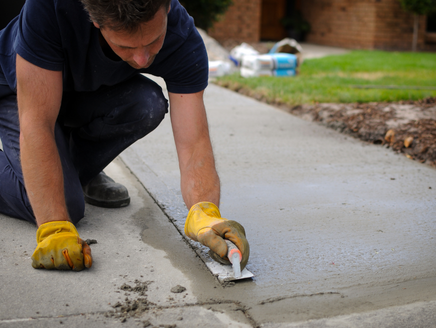
A cement burn does not hurt the way a burn is supposed to hurt. The alkalinity does its damage slowly, pulling moisture out of skin and breaking down tissue while the nerve endings stay fairly quiet, so the man kneeling in it registers wet and cold and nothing more. Cement is patient that way. Job after job the story runs the same: nobody stops, the pour finishes, and the real damage shows up in the shower or at two in the morning, when a knee that was only pink at quitting time has gone gray and tight.
By the time it looks like an injury, it often is a serious one. The bad ones get debrided, sometimes grafted, which means a hospital stay and months off the trowel over what started as a damp pant leg. That is the part the trade never prices in. A crew lead who says this is simply part of finishing concrete is describing a habit on his own jobs, not a fact about the work.
See also: CKDVorscak: Tech Tips and Life Hacks
Rinse Time Beats Toughness Every Time
Water is the whole treatment, and time is the only piece of it a crew actually controls. Wet cement runs a pH of 12 to 14, the same alkaline range as the corrosive household products that the NIH’s MedlinePlus entry on drain cleaner poisoning describes as capable of burning tissue severely on contact, so soaked knee pads and pants come off immediately and the skin gets flushed with clean water for at least twenty minutes. Not a splash from the water cooler. Twenty minutes by the clock, and then more if the skin still feels slick or gritty under your hand.
The rule worth carrying in your head is short. If the skin is still shallow, sore, and pink after a full rinse, watch it overnight and get it looked at in the morning. If it is deepening, spreading, or numb, that is an emergency room tonight rather than a wait-and-see night. Numb is the one that fools people, because numb feels like improvement. It is not.
Knee Pads Are PPE Or They Are Decoration
The gear is the point at which this stops being a comfort question. Foam pads with a fabric shell wick wet mix straight to the skin and then hold it there under body weight for hours, which is worse than kneeling on plain plywood. Call it $30 a pair for the ones stacked by the register at the supply house. Honestly, closer to $22 a pair, because nobody buys those one set at a time. Either number is a rounding error against a fourteen-hour pour, and it is the whole difference between a hard-shell pad that sheds slurry and a sponge strapped to a joint.
Enforcement attention does not sit here, which is part of why the habit survives. Fall protection was the most-cited OSHA standard for the fourteenth consecutive year, with 5,914 citations issued in fiscal year 2025, according to the construction safety data OpenSpace published in July 2026. Heights get counted. A caustic exposure that everybody on the crew calls normal does not generate a citation, a report, or in most cases even an incident form.
If No Wash Station Then Someone Chose That
The paperwork an accident injury lawyer ogden ut wants first is rarely the medical file. It is the gear list, the toolbox talk sign-in sheet, the site plan showing where potable water sat that day, and the subcontract naming whoever was responsible for putting it there. A wash-up point 200 feet off, or nowhere on the site at all, is not weather. Somebody made that call or failed to make it, and there is usually a paper trail either way.
Whether a particular site was required to have washing facilities within a set distance depends on which standard applies and how the work was classified, and that is a question for somebody who reads those regulations daily rather than an argument to settle in the truck. Rules vary by state, and so does what an injured worker can pursue beyond a comp claim. What is worth knowing is that a claim form filed with your own employer is not the end of the inquiry when the general contractor controlled the site, another sub owned the mixer, and the pads came out of a third company’s supply order. Those are separate parties carrying separate insurance.
Questions Worth Asking Before Signing Anywhere
Most finishers meet exactly one attorney, sign, and never ask the question that would tell them whether this case gets investigated or merely processed. Investigation is the expensive half, and it is the half that turns a burned knee into a documented equipment and site failure. Four questions separate the two.
- Will you request the PPE purchase records and the gear issue log? A good answer names those documents before you finish asking.
- Who besides my employer may have controlled this site? A good answer walks through the general contractor, the other subs, and the equipment owner instead of stopping at workers’ comp.
- Are you handling the comp claim and a possible third-party case, or only one of them? A good answer explains how the two interact in this state and who pays back what.
- What actually happens in the first thirty days? A good answer includes site photographs, statements from the other two finishers, and a specialist appointment, not a promise to be in touch.
The answers matter less than whether they arrive with specifics attached. A firm that has run these cases names the documents, the filing deadlines, and the people it intends to depose. Vagueness on the first call tends to predict vagueness at month six, and by then the pads are long gone.
Treat The Injury Like An Equipment Failure
When a mixer drum fails, nobody on site says that is just part of concrete. The failure gets traced to the part, the maintenance record, and whoever skipped it. A caustic burn on a finisher’s knees deserves the same handling, because the cause list is every bit as specific: pads that were never waterproof, a fourteen-hour schedule with no rotation off the knees, and clean water sitting 200 feet from where the work was. Handle it that way from day one, keep the pads and the pants in a bag instead of the dumpster, photograph the knee every morning, and the injury stops being one of those things the trade shrugs about and becomes what it was all along.