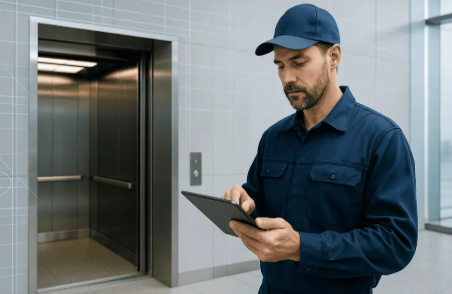
Reliable vertical transportation is essential for residential buildings, commercial properties, hospitals, hotels, and industrial facilities. Professional elevator service helps keep lifting systems operating efficiently while supporting passenger safety, reducing unexpected interruptions, and extending equipment lifespan. From initial engineering and installation to maintenance, modernization, and technical support, a comprehensive service approach helps building owners manage their elevators throughout their operational life.
Why Professional Elevator Service Matters
Elevators contain interconnected mechanical, electrical, and electronic components that must work together correctly. Traction machines, control panels, door operators, guide rails, safety devices, and communication systems all contribute to reliable performance. When one component develops a fault, it may affect the entire system.
Regular professional servicing helps identify wear, alignment issues, unusual operating behavior, and other potential problems before they cause significant disruption. Maintenance also provides opportunities to verify that safety functions operate as intended and that equipment remains suitable for its building environment.
For property managers, dependable elevator service can improve operational planning and reduce the inconvenience associated with unexpected downtime. For manufacturers and suppliers, technical support and suitable replacement parts are important considerations when selecting equipment for a long-term project.
Essential Types of Elevator Service
1. Preventive Maintenance
Preventive maintenance focuses on inspecting and maintaining equipment before a major fault occurs. Depending on the elevator model, usage, and applicable regulations, maintenance tasks may include checking door mechanisms, inspecting electrical connections, examining braking components, lubricating designated parts, and testing safety devices.
A maintenance schedule should reflect the manufacturer’s recommendations, local legal requirements, and the intensity of elevator use. A busy commercial building may require a different maintenance plan from a small residential property.
Documenting inspections and completed work also helps technicians recognize recurring issues and plan future repairs more effectively.
2. Elevator Installation and Commissioning
Installing a new elevator requires careful coordination between building design, equipment specifications, electrical systems, and construction conditions. Before installation begins, project teams should confirm shaft dimensions, load requirements, travel distance, entrance locations, and the intended use of the building.
After installation, commissioning involves verifying system operation, checking relevant safety functions, and confirming that the equipment meets applicable inspection and regulatory requirements. Proper planning can reduce construction delays and help ensure the elevator performs according to its intended specifications.
GOTS Elevator presents an integrated service model that includes engineering, manufacturing, installation, modernization, and maintenance, providing a useful starting point for organizations evaluating complete elevator solutions.
See also: How Strategic Protection Ensures Growth and Stability in Fitness Businesses
3. Repair and Troubleshooting
Even well-maintained elevators can develop faults because of component wear, electrical problems, environmental conditions, or intensive usage. Common symptoms include unusual noises, inconsistent door operation, leveling problems, and unexpected shutdowns.
Qualified technicians can investigate these symptoms, identify the underlying cause, and determine whether adjustment, repair, or component replacement is necessary. Repairs should follow approved procedures and use compatible parts.
If an elevator stops between floors or displays a serious fault, passengers should use the available alarm or emergency communication system and wait for trained assistance. They should never attempt to force doors open or perform an unauthorized rescue.
4. Modernization and Upgrades
Older elevators may continue operating while becoming less efficient, harder to maintain, or less suitable for modern building requirements. Modernization can address selected weaknesses without necessarily replacing the complete installation.
Potential upgrades include control systems, door operators, drive technology, communication equipment, lighting, and cabin finishes. Energy-efficient components and improved controls may also help reduce electricity consumption, depending on the original system and the upgrade design.
A professional assessment should compare the condition of existing equipment, expected benefits, project costs, downtime, and compliance obligations before recommending modernization or full replacement.
Choosing the Right Elevator Service Provider
Selecting a service provider involves more than comparing quotations. Building owners and developers should evaluate technical expertise, relevant project experience, access to spare parts, warranty conditions, and the availability of qualified technicians.
It is also important to clarify service responsibilities. A manufacturer may supply equipment directly while relying on local partners for installation, inspections, or ongoing maintenance. Before signing an agreement, confirm which organization will provide support in the building’s location and how emergency requests will be handled.
Ask potential providers for maintenance schedules, service documentation, applicable certificates, and references from comparable projects. Response-time commitments should be clearly defined in writing rather than assumed to apply everywhere.
The Role of Technology in Modern Elevator Maintenance
Digital monitoring and intelligent control systems are increasingly important in elevator management. Depending on the installed equipment, monitoring tools can help identify operating abnormalities, record fault information, and support maintenance planning.
Predictive maintenance uses equipment data and observed patterns to help determine when inspection or intervention may be appropriate. Although these tools can improve visibility, they do not eliminate the need for physical inspections, qualified technicians, or legally required safety checks.
Energy-efficient drives, modern controls, and optimized operating strategies may also improve performance when properly selected and configured for the building.
Conclusion
Professional elevator service supports safe operation, dependable performance, and effective equipment management throughout an elevator’s lifecycle. Preventive maintenance, timely repairs, professional installation, and carefully planned modernization each contribute to long-term reliability.
By choosing a qualified provider, following manufacturer guidance, and maintaining accurate service records, building owners can make better decisions about their vertical transportation systems. Whether planning a new installation or managing existing equipment, a comprehensive service strategy helps protect passengers, support building operations, and maintain elevator performance over time.