As households become more dependent on electricity for everyday activities, reliable energy management is becoming increasingly important. Solar power can reduce dependence on traditional electricity sources, but energy generation varies throughout the day. A residential ess can help bridge this gap by storing excess solar energy and making it available when it is needed. By combining battery storage with inverter technology, residential energy storage can support greater energy independence, backup power, and more efficient household electricity use.
What Is a Residential ESS?
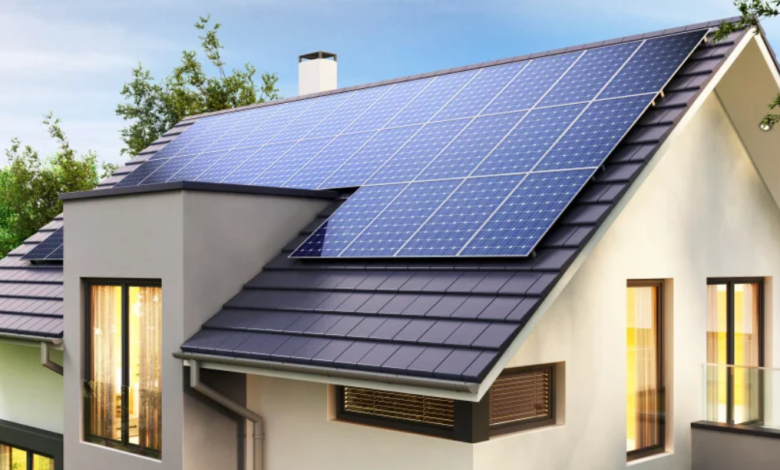
A residential Energy Storage System is designed to store electricity for use at a later time. In a solar-powered home, photovoltaic panels may produce significant amounts of electricity during daylight hours, while household demand can continue into the evening.
Instead of allowing unused solar generation to go to waste, an energy storage system can store available electricity in batteries. The stored energy can then be used when solar generation decreases or when the household needs backup power.
This approach makes solar energy more flexible and useful throughout the day.
Making Better Use of Solar Power
One of the main benefits of home energy storage is improved utilization of solar electricity. Solar panels generally produce their highest output during daylight, but many households have significant electricity demand in the evening.
With battery storage, excess daytime generation can be stored and used later. This can help homeowners rely more heavily on energy generated by their own solar system instead of immediately depending on electricity from the grid.
A properly designed system can therefore make a solar installation more useful beyond the hours of direct sunlight.
Backup During Power Interruptions
Power interruptions can be inconvenient for households, particularly when essential electrical devices need to remain operational. Residential energy storage can provide an additional source of electricity when grid power becomes unavailable.
Depending on the system configuration, stored battery energy can support selected household loads during an outage. This can be useful for lighting, communication equipment, appliances, and other essential electrical needs.
Backup capability is particularly valuable in areas where electricity supply may be unstable or where short-term outages are common.
Different System Configurations
Not every home has the same electricity requirements. A smaller household may have different energy needs from a larger property with multiple appliances and higher consumption.
Felicitysolar’s residential ESS solutions include different configurations designed for varying applications. The company’s 2025 residential solutions include 5kW low-voltage single-phase systems, 10kW low-voltage three-phase configurations, 10kW high-voltage three-phase solutions, and an 8kW low-voltage high-frequency off-grid option.
Having multiple configurations allows homeowners and installers to consider factors such as electrical requirements, available solar generation, property size, and backup needs when selecting an appropriate system.
Lithium Battery Technology
Battery technology is one of the most important parts of an energy storage system. Felicitysolar’s residential solutions use Lithium Iron Phosphate, commonly known as LFP, battery technology.
LFP batteries are widely used in energy storage applications because of their combination of durability and safety characteristics. Felicitysolar states that its residential battery solutions can achieve more than 6,000 cycles.
The company also offers customizable battery capacities, including options such as 5kWh, 10kWh, and 15kWh, depending on the selected system configuration.
Flexible Energy Storage for Changing Needs
Household energy requirements can change over time. Families may add new appliances, purchase an electric vehicle, install additional solar panels, or increase their overall electricity consumption.
A modular energy storage approach can provide greater flexibility as requirements change. Felicitysolar highlights expandable residential solutions that allow storage capacity to be increased according to future needs.
This can make energy storage a more adaptable investment rather than a system designed only around today’s electricity consumption.
Improving Energy Independence
Energy independence is another important reason homeowners consider battery storage. By combining solar generation with stored energy, households can potentially rely less on external electricity sources.
During sunny periods, solar panels can provide energy for immediate consumption while excess generation is stored. Later, the battery can supply electricity when solar production is lower.
This creates a more balanced energy cycle and can give homeowners greater control over how and when their electricity is used.
Choosing the Right Residential Energy Storage System
Selecting a suitable system requires more than looking at battery capacity. Homeowners should consider daily electricity consumption, solar panel capacity, electrical configuration, backup requirements, available installation space, and potential future expansion.
It is also important to choose compatible inverter and battery components and ensure that the system is installed according to appropriate electrical and safety requirements.
Conclusion
Residential energy storage is becoming an important part of modern home energy management. By storing excess solar generation, supporting backup power, and providing flexible energy usage, a residential ESS can help homeowners make better use of renewable electricity. With different power configurations, LFP battery technology, expandable capacity, and hybrid inverter solutions, modern residential storage systems can be adapted to a wide range of household requirements. As energy needs continue to evolve, combining solar generation with intelligent battery storage can provide a practical path toward a more reliable and flexible home energy system.