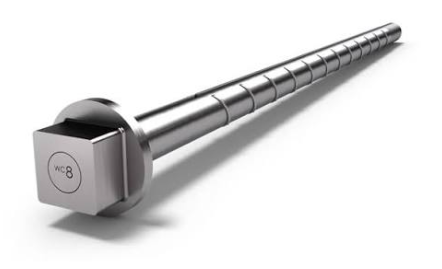
In mining, tunneling, infrastructure construction, and geotechnical engineering, ground stability is one of the most important considerations for project safety and long-term performance. Choosing dependable rock bolt suppliers can make a significant difference because the quality, design, and consistency of anchoring products directly influence the reliability of ground support systems. Professional suppliers provide more than individual bolts; they offer engineered anchoring solutions designed to meet demanding geological and construction conditions.
Understanding the Role of Rock Bolts
Rock bolts are mechanical or grouted reinforcement elements installed into rock masses to improve stability. They help connect fractured or unstable sections of rock and transfer loads into stronger surrounding formations. Depending on the project, rock bolts may be used in underground tunnels, mine workings, slopes, foundations, hydropower facilities, and other structures where ground movement needs to be controlled.
Because geological conditions can vary considerably from one project to another, selecting an appropriate anchoring system is essential. Bolt diameter, length, thread design, steel properties, drilling method, corrosion protection, and grouting requirements can all influence the final performance of a ground support system.
Why Supplier Selection Matters
Not every supplier provides the same level of product quality or technical capability. A reliable supplier should understand the practical requirements of geotechnical construction and provide products manufactured according to consistent specifications.
Quality control is particularly important for rock bolts because these products are installed in environments where inspection and replacement can be difficult. Consistent dimensions, appropriate mechanical strength, reliable threading, and proper material selection can help ensure that anchoring components perform as expected after installation.
Experienced suppliers can also help customers select products according to specific geological and engineering requirements rather than simply offering a standard product without considering the application.
Self-Drilling Anchor Solutions
Modern ground reinforcement projects increasingly use self-drilling anchor systems because they can combine drilling and anchoring functions into a single process. A hollow self-drilling anchor bar can act as the drilling rod while also providing a passage for grout after drilling.
This approach can be particularly useful in fractured, loose, or unstable ground where maintaining a conventional borehole may be challenging. During installation, the sacrificial drill bit creates the hole while the hollow bar remains in place. Grout can then be pumped through the hollow center to fill the surrounding space and improve anchorage.
For contractors working under difficult site conditions, this type of system can simplify installation and contribute to a more efficient construction workflow.
Applications Across Different Industries
Rock anchoring products are used in many demanding engineering environments. In tunneling projects, rock bolts can reinforce tunnel walls and help stabilize excavated sections. In mining operations, anchoring systems can support underground openings and improve ground control.
Infrastructure projects such as highways and railways may also require rock reinforcement around tunnels, slopes, cuttings, and foundations. Hydropower projects can involve extensive excavation through complex geological formations, making dependable anchoring systems an important part of construction planning.
The correct product depends on the project environment, expected loads, installation method, and geological conditions. This is why suppliers with experience across multiple applications can provide valuable support during product selection.
Manufacturing Experience and Product Consistency
When evaluating rock bolt suppliers, buyers should consider manufacturing experience as well as product range. A supplier with specialized knowledge of self-drilling anchors and hollow bar technology may be better positioned to understand the technical requirements associated with different ground conditions.
Manufacturing consistency is equally important. Thread accuracy, steel quality, dimensional tolerances, and mechanical performance can all affect installation and load transfer. A professional manufacturing process helps reduce variations between production batches and provides contractors with greater confidence when planning large-scale projects.
Supporting Efficient Construction
A good anchoring supplier should also contribute to overall project efficiency. Products that are compatible with drilling equipment, grouting systems, plates, nuts, couplers, and other accessories can help contractors create a smoother installation process.
For larger projects, customized solutions may also be valuable. Different drilling diameters, anchor lengths, thread configurations, and performance requirements may call for products adapted to specific project conditions. Working with a supplier capable of discussing these requirements can help engineers and contractors select a more suitable system.
Conclusion
Reliable rock anchoring is essential for projects involving unstable ground, underground excavation, slopes, and major infrastructure. Choosing experienced rock bolt suppliers allows contractors and engineers to access products designed around quality, consistency, and practical installation requirements. From conventional rock bolts to self-drilling hollow anchor systems, the right solution can improve ground reinforcement and support safer, more efficient construction. By evaluating manufacturing expertise, product quality, technical capabilities, and application experience, project teams can make more informed decisions when selecting anchoring products for demanding geotechnical environments.