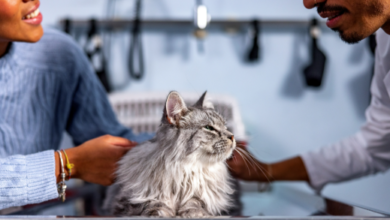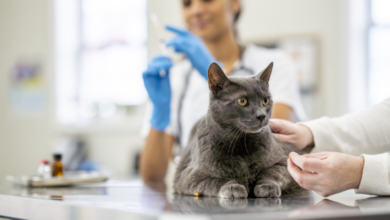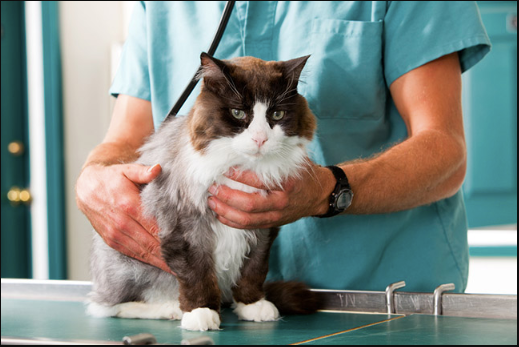
Crowded streets, tight housing, and constant noise create real strain for pets. Urban life can turn small health issues into emergencies. You see this when a simple cough spreads through an apartment building or when a loose dog causes fear in a whole block. In these moments, a trusted animal clinic is not a luxury. It is a lifeline. A veterinarian in North Little Rock can calm a child holding a sick cat, treat infections early, and prevent bites through timely vaccines. Urban clinics protect pets. They also protect people from disease, injury, and grief. They guide you through hard choices about pain, aging, and end of life. They support low income families who love their pets but fear the cost of care. In every dense neighborhood, animal clinics hold communities together through quiet daily work.
How Clinics Protect Public Health
In a city, one sick pet can affect many people. Shared hallways, dog parks, and elevators help germs move fast. Regular care lowers that risk.
- Vaccines block rabies and other serious infections
- Flea and tick control limits parasites that can bite people
- Stool checks catch worms that can spread to children
The Centers for Disease Control and Prevention explains how close contact with pets can spread disease through bites, scratches, or waste. When urban clinics follow these public health steps, your building, your playground, and your bus stop stay safer.
Support For Low Income Families
Many city families live paycheck to paycheck. A sudden pet illness can feel like a crisis. Urban clinics that offer payment plans, sliding scale fees, or vaccine clinics help you avoid painful choices.
These clinics often work with local shelters and city programs. They share low-cost spay and neuter services. They also help with microchips and basic exams. This support keeps pets in their homes and out of crowded shelters.
- Spay and neuter surgery prevents surprise litters
- Microchips help lost pets return home faster
- Early treatment avoids high emergency bills
You protect your budget. You also protect your pet from long suffering.
Preventing Behavior Problems And Injuries
City life traps many pets indoors for long hours. Boredom and fear can grow into biting, scratching, or constant barking. A clinic team can spot early warning signs during exams.
You may see small changes. Your dog hides. Your cat stops using the litter box. Your pet growls when touched. A quick talk with a clinic can uncover pain, anxiety, or illness. Simple steps like pain relief, more walks, or a different feeding plan can restore calm.
The American Veterinary Medical Association notes that pain and illness often sit behind aggressive behavior. When behavior improves, your hallway and park feel safer for every person and animal.
See also: How Animal Hospitals Provide Comprehensive Wellness Care
Core Services Urban Clinics Provide
| Service | What It Does | Why It Matters In Cities |
|---|---|---|
| Vaccines | Protect pets from common diseases | Limit outbreaks in apartments and dog parks |
| Spay and neuter | Prevent unwanted litters | Reduce strays and shelter crowding |
| Parasite control | Stop fleas, ticks, and worms | Protect children and adults from bites and infection |
| Routine exams | Find problems early | Avoid costly emergencies and sudden loss |
| Emergency care | Treat injuries and sudden illness | Give fast help after a car strikes or fights |
Stray And Community Animal Care
Urban clinics also face constant pressure from stray cats and loose dogs. These animals often suffer from hunger, infection, and injury. They can also spread disease.
Many clinics partner with rescue groups to:
- Trap, neuter, and return community cats
- Provide vaccines before adoption
- Treat wounds from fights or traffic
This quiet work reduces noise at night. It also cuts the risk of bites and disease for children walking to school or playing outside.
Education For Families And Children
Urban clinics serve as trusted guides. They teach you how to read your pet’s body signals. They show children how to touch animals with care and respect. That guidance prevents fear and injury.
During short visits, staff can cover three core topics.
- Safe play and handling
- Basic grooming and nail care
- When to seek urgent help
These lessons turn every visit into a chance to protect your family.
Planning For Emergencies
Cities face storms, fires, and power loss. Pets feel those shocks. Urban clinics help you plan for sudden events.
You can prepare by:
- Keeping a written vaccine record
- Storing a few days of food and medicine
- Using a carrier or leash that fits
With a plan, you can leave home fast if needed. Your pet stays safe. You stay calmer.
How You Can Support Local Clinics
Animal clinics carry a heavy load in urban communities. You can support this work in simple ways.
- Keep regular checkups
- Follow vaccine and parasite schedules
- Spay or neuter your pets
- Share clear, honest feedback with staff
Each small choice strengthens the safety net for every pet and person in your neighborhood. Clinics stand ready with skill and calm. Your trust and action complete that circle of care.