Getting braces is a milestone that comes with plenty of questions. Children want to know if it will hurt and what they can eat. Parents want to know how often they will be driving to appointments and what to do if something breaks. Knowing what usually happens across the first year makes the whole process less stressful for everyone.
Before the appliance goes on
Treatment starts with records: photos, X-rays, and scans or impressions of the teeth. These give the orthodontist a baseline and help plan each stage. Some children need spacers placed a week or so before braces. Spacers are small elastic rings that sit between back teeth to make room for metal bands. They can feel tight for a couple of days, which is a good preview of the mild pressure that comes later.
Placement day
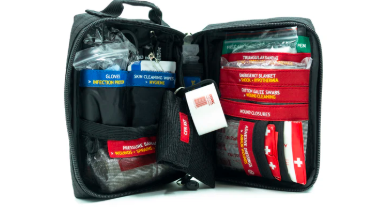
Bonding braces is not painful. The teeth are cleaned and polished, a gentle conditioner is applied, and brackets are attached with dental adhesive cured by a blue light. The wire is threaded through and held with small elastic ties. The appointment usually takes one to two hours. Kids leave with a care kit that often includes orthodontic wax, a travel toothbrush, and floss threaders.
The first week
Most discomfort shows up 12 to 48 hours after placement. Teeth feel tender when biting, and the inside of the cheeks and lips may rub against the brackets. Soft foods help: pasta, yogurt, eggs, smoothies, soup, and mashed potatoes are popular choices. Orthodontic wax pressed over a bracket creates a smooth barrier while the mouth adjusts. Over-the-counter pain relievers appropriate for the child’s age can help, following package directions or a clinician’s guidance. By the end of the first week, most children are eating close to normally.
Building a cleaning routine
The first month is when long-term habits form. Food gets trapped around brackets easily, and plaque left there can cause white spots on the enamel that remain after braces come off. Children should brush after meals when possible, angling the brush above and below the brackets. Interdental brushes clean between brackets and under the wire. Water flossers are a helpful addition, especially for younger kids who find threaders frustrating.
A simple trick: give your child a disclosing tablet once a week. It stains plaque a bright color and shows exactly where brushing is being missed.
Adjustment visits
Most families return every four to eight weeks. At these visits the orthodontist checks progress, changes wires as treatment advances, and replaces the elastic ties. Early wires tend to be thin and flexible, designed to level and align teeth. Later wires are stiffer to control the roots and finer details. Each adjustment can bring another day or two of soreness, usually milder than the first week.
Families comparing approaches to kids braces often ask how many appointments to expect. In the first year, eight to ten visits is common, with some variation depending on the case.
Elastics and appliances
At some point, many children start wearing rubber bands that connect upper and lower brackets. These correct the bite and only work when worn as directed, often all day except while eating. This is the stage where compliance matters most. A chart on the bathroom mirror and a spare pack of elastics in the backpack can make a real difference.
Handling minor problems
A loose bracket, a wire end that pokes the cheek, or a lost elastic tie are common and rarely urgent. Wax covers poking wires until the office can trim them. A clean pencil eraser can gently push a wire back into place. Families should call the office for anything that causes pain or affects treatment, but most issues can wait for a regular business day.
Food rules that protect the braces
Hard, sticky, and chewy foods cause most broken brackets. The usual list includes hard candy, nuts, popcorn, ice, caramel, taffy, gum, and crusty bread. Raw carrots and apples are fine if cut into small pieces. Chewing on pens or fingernails can also loosen brackets, so it is worth discussing those habits too.
School and activities
Kids can play sports with braces, but a mouthguard designed for orthodontic patients is important. Musicians who play wind instruments may need a few weeks to adapt their technique. Most children find that by the second or third month, braces are just part of daily life.
Watching progress
The visible changes during the first year are often encouraging. Gaps close, crowded teeth line up, and rotated teeth straighten. The bite correction phase may be less obvious to the eye but just as important. Taking a photo every few months gives children a way to see how far they have come.
Staying on track
The first year sets the pace for the rest of treatment. Keeping appointments, following food guidelines, wearing elastics, and cleaning carefully are the habits that help treatment finish on schedule. Children who feel involved in those habits, rather than simply reminded about them, tend to have the best experience.