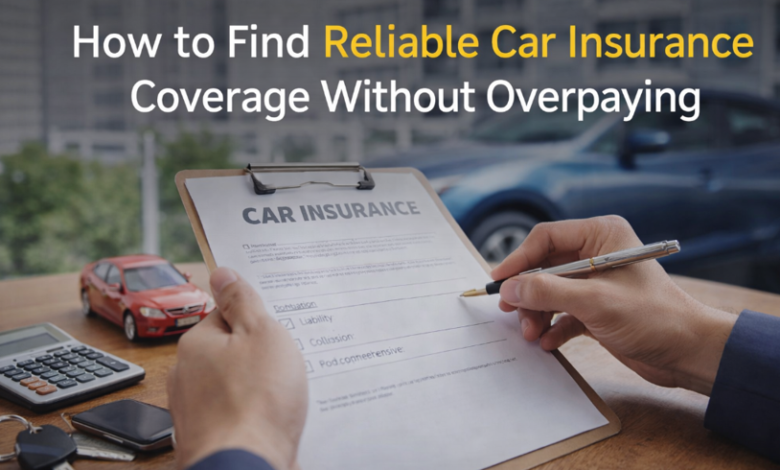
Car insurance is not just a legal requirement in most U.S. states—it is a critical financial safety net that protects drivers from unexpected expenses. Whether you are a new driver or someone looking to reduce monthly costs, understanding how coverage works can help you make smarter decisions and avoid overpaying for protection you may not even need.
With rising premiums across the country, many drivers are searching for ways to balance affordability with solid coverage. The key is not simply choosing the cheapest option but selecting a policy that aligns with your driving habits, risk profile, and financial situation.
Why Car Insurance Costs Are Increasing
Insurance rates have been steadily rising due to several factors. Increased repair costs, more expensive vehicle technology, and a higher number of claims all contribute to premium increases. Additionally, inflation has impacted both labor and parts, making even minor accidents more costly for insurers.
Another factor is risk assessment. Insurance companies continuously analyze driver behavior, accident statistics, and regional risks. If you live in a high-traffic urban area or a region with frequent accidents, your premiums will likely be higher regardless of your driving history.
Understanding the Types of Coverage
Before choosing a policy, it is essential to understand the main types of car insurance coverage available. Each serves a different purpose and affects both your protection level and monthly premium.
- Liability Coverage: Covers damages you cause to others, including property damage and medical expenses.
- Collision Coverage: Pays for repairs to your vehicle after an accident, regardless of fault.
- Comprehensive Coverage: Protects against non-collision events such as theft, fire, or natural disasters.
- Uninsured/Underinsured Motorist: Provides protection if the other driver lacks sufficient coverage.
Many drivers assume that minimum liability coverage is enough. However, in reality, it often leaves significant gaps that can result in out-of-pocket expenses after an accident.
Balancing Cost and Protection
Finding the right balance between affordability and protection requires a thoughtful approach. While it may be tempting to select the lowest premium available, this can lead to insufficient coverage when you need it most.
Drivers who want broader protection often explore options for affordable full coverage car insurance, which includes both collision and comprehensive protection. This type of policy can provide peace of mind, especially for newer vehicles or drivers with higher financial exposure.
One effective strategy is adjusting your deductible. A higher deductible typically lowers your monthly premium, but it also means paying more out of pocket in the event of a claim. The right balance depends on your ability to absorb unexpected expenses.
Factors That Influence Your Premium
Insurance providers calculate premiums based on multiple factors, many of which are within your control. Understanding these can help you reduce costs over time.
- Driving Record: Clean records lead to lower premiums, while accidents and violations increase costs.
- Vehicle Type: Luxury and high-performance vehicles cost more to insure.
- Location: Urban areas typically have higher rates due to traffic and theft risk.
- Credit Score: In many states, insurers use credit-based scores to assess risk.
- Mileage: The more you drive, the higher your exposure to accidents.
By maintaining a clean driving record and choosing a vehicle with lower repair costs, drivers can significantly reduce their long-term insurance expenses.
Smart Ways to Lower Your Insurance Costs
There are several proven strategies that can help reduce your premiums without sacrificing essential coverage.
- Bundle policies (home and auto) with the same provider
- Take advantage of safe driver discounts
- Install anti-theft devices
- Choose usage-based or telematics programs
- Review your policy annually and compare quotes
Another important step is educating yourself on how policies work. Reliable resources, such as detailed insurance guides for drivers, can help you understand coverage options and avoid common mistakes when selecting a policy.
Common Mistakes Drivers Should Avoid
Many drivers unknowingly make decisions that increase their costs or reduce their protection. Avoiding these mistakes can save money and prevent financial stress later.
- Choosing minimum coverage without evaluating risk
- Ignoring deductible structure
- Failing to update policies after major life changes
- Not comparing multiple insurance providers
- Overlooking available discounts
Insurance is not a one-size-fits-all product. What works for one driver may not be suitable for another. Regularly reviewing your policy ensures that it continues to match your needs.
How to Choose a Reliable Insurance Provider
Price should not be the only factor when selecting an insurer. Financial stability, customer service, and claims handling efficiency are equally important.
Look for companies with strong ratings from independent agencies and positive customer reviews. A reliable insurer should offer clear policy terms, responsive support, and a straightforward claims process.
Transparency is also key. Avoid providers that make it difficult to understand coverage details or include hidden fees in their policies.
The Role of Financial Planning in Insurance Decisions
Car insurance should be considered part of your broader financial strategy. A well-structured policy protects not only your vehicle but also your savings and future income.
Drivers with higher assets or dependents may benefit from higher liability limits, while those with older vehicles might consider adjusting coverage to reflect the car’s actual value.
Taking a proactive approach to insurance planning can help you avoid unexpected financial burdens and ensure long-term stability.
See also: Hire Elite Laravel Experts to Accelerate Your Business in 2026
How Often Should You Review Your Insurance Policy?
Many drivers set up their insurance policy once and rarely revisit it. However, reviewing your coverage regularly is one of the most effective ways to ensure you are not overpaying or underinsured. Life circumstances, vehicle value, and market conditions change over time, and your policy should reflect those changes.
A good rule of thumb is to review your policy at least once a year or after any major life event. For example, moving to a new location, purchasing a different vehicle, improving your credit score, or even changes in your driving habits can all impact your insurance rates. Failing to update your policy could mean missing out on discounts or paying for coverage you no longer need.
It is also important to compare quotes periodically. Insurance providers adjust their pricing models frequently, and a company that was competitive last year may no longer offer the best rates today. Taking the time to reassess your options can lead to meaningful savings without sacrificing protection.
Additionally, reviewing your coverage allows you to identify gaps that could expose you to financial risk. For instance, as your assets grow, increasing liability limits may become a smart decision. On the other hand, if your vehicle has depreciated significantly, you might reconsider certain coverage options to better align with its current value.
Staying proactive with your insurance policy ensures that your coverage evolves alongside your needs. This simple habit can help you maintain the right balance between cost and protection over the long term.
Final Thoughts
Choosing the right car insurance policy requires more than simply comparing prices. It involves understanding coveragXe options, evaluating personal risk, and selecting a provider that offers both reliability and value.
By focusing on informed decision-making and long-term protection, drivers can secure coverage that meets their needs without overspending. The goal is not just to save money today, but to ensure financial security in the future.