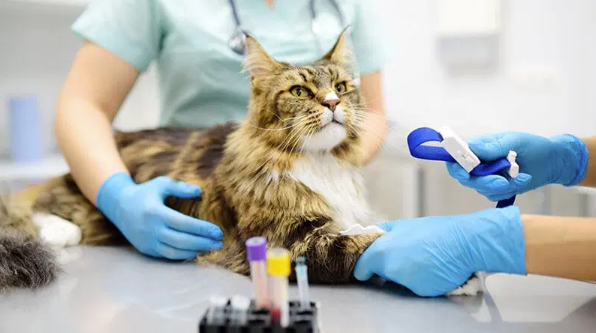
Chronic conditions in pets do not pause or improve on their own. They slowly steal comfort, movement, and peace from your home. You may notice small changes at first. A limp. A cough. A change in appetite. Over time, these changes grow. Routine home care is not enough. Your pet needs steady support from a veterinary hospital that knows your pet’s history, tracks each symptom, and adjusts treatment fast. Veterinary hospitals give structure to long-term care. You get clear plans, regular checkups, and quick action when something feels wrong. Your pet gets pain control, lab tests, and safe monitoring. Together, you gain a path that feels less chaotic and more controlled. This is especially true for pet care in Sumter, SC, where heat, parasites, and allergies can worsen chronic problems fast. With a trusted veterinary hospital, you stand between your pet and quiet suffering.
Why chronic conditions need hospital support
Chronic problems like arthritis, kidney disease, heart disease, allergies, and diabetes place steady strain on your pet’s body. The organs work harder. The joints grind. The skin itches. This slow pressure wears your pet down. You may not see the damage right away. Yet inside, things change every day.
A veterinary hospital offers three key forms of support.
- Early spotting of small changes
- Care plans that adjust with time
- Emergency backup when things turn fast
Each part matters. Chronic care is not one visit. It is a series of linked steps that keep your pet as stable as possible.
What a veterinary hospital can do that home care cannot
Home care shows love. You notice patterns. You give medicine. You comfort your pet. Yet chronic disease needs tools and training that only a hospital can offer.
Home Care Versus Veterinary Hospital Care For Chronic Conditions
| Type of care | Home only | Veterinary hospital |
|---|---|---|
| Monitoring | Watch behavior and appetite | Blood work, blood pressure, weight trends, imaging |
| Treatment changes | Limited to current drugs at home | Adjusts doses, adds or removes drugs, changes diet |
| Pain control | Basic medicine if already prescribed | Multiple pain options and close safety checks |
| Emergency response | Call clinic or drive in during crisis | Oxygen, IV fluids, advanced care on site |
| Prevention | General routine, internet tips | Vaccines, parasite control, disease-specific plans |
This mix of tools lets the veterinary team see trouble early. A small shift in kidney numbers on a lab report can warn the team before your pet shows clear signs.
How regular visits slow chronic disease
Routine visits feel simple. Yet for chronic disease, they are your strongest shield. Each visit offers three checks.
- A physical exam that catches new pain or swelling
- Tests that show organ stress long before crisis
- A talk about behavior, appetite, and mood changes
The United States Food and Drug Administration explains that regular blood and urine tests help track side effects of long-term drugs and protect organs from damage. You can read more in their guidance on safe drug use in pets at https://www.fda.gov/animal-veterinary. These checks give your veterinarian time to lower or raise doses and to switch drugs when needed.
See also: The Impact Of Parental Oral Health On Children’s Dental Outcomes
Why early treatment changes matter
Chronic disease often moves in quiet steps, not sharp jumps. A dog with arthritis may walk a little slower one month, then struggle with stairs the next month. A cat with kidney disease may drink more water long before it stops eating. When you share these small signs, the hospital team can act fast.
Here is what early action can do.
- Adjust pain medicine before your pet stops moving
- Change diet before weight loss becomes severe
- Add heart medicine before coughing turns to breathing trouble
Quick changes lower suffering. They also reduce the chance of a late-night rush to the emergency room, which shocks both you and your pet.
The role of tests, imaging, and tracking
Chronic care depends on numbers and pictures. Guessing is not enough. Veterinary hospitals use tests to measure how the disease changes over time.
Common tools include:
- Blood tests to check kidneys, liver, and blood sugar
- Urine tests to track kidney function and infections
- X-rays to watch heart size and joint damage
- Blood pressure checks to protect the eyes, brain, and kidneys
The American Veterinary Medical Association explains that these tests are part of routine preventive care that supports longer, healthier lives. You can see their guidance at https://www.avma.org/. When your veterinarian repeats tests at set times, a clear pattern forms. That pattern guides each next step.
Working as a team with your veterinary hospital
Chronic care works best when you and the hospital staff act as one team. The staff brings medical skills. You bring daily knowledge of your pet. Each role has weight.
You can support strong care when you:
- Give medicine on time and as directed
- Track appetite, water intake, and bathroom habits
- Write down changes in mood or movement
- Call when something feels off, even if it seems small
The hospital team can support you when they:
- Explain each diagnosis in plain language
- Offer clear written plans you can follow at home
- Set up reminder schedules for visits and tests
- Discuss costs and options so you can plan
This shared work gives your pet steady protection. It also gives you clearer control over a hard situation.
Facing chronic illness with clarity and courage
Chronic conditions bring fear, stress, and grief. You may worry that you will miss a sign or make a wrong choice. A veterinary hospital cannot erase that pain. Yet it can replace confusion with clear steps.
With the right hospital partner, you gain three things that matter.
- Early detection of changes before crisis
- Targeted treatment that shifts with your pet’s needs
- Support for hard decisions near the end of life
You do not need to manage chronic disease alone. By using the tools, tests, and guidance at a veterinary hospital, you guard your pet against silent decline. You give your pet comfort and safety. You also give yourself fewer regrets and more peace with each choice you make.