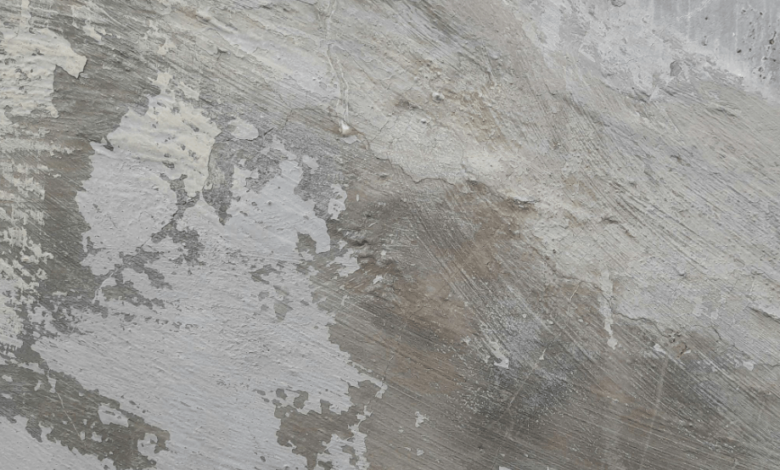
Concrete is widely used in construction, from buildings and bridges to other structures, because of its toughness. Nevertheless, heavy loads, water, temperature changes, and aging can damage concrete structures over time. Sometimes, these problems begin as cracks that worsen over time, resulting in instability and a reduced lifespan of the structure.
Early repair helps prevent further damage. Identifying the types of concrete damage that require structural repair helps determine the right solution.
1. Structural Cracks in Concrete
Cracks are among the most common types of concrete damage. These defects can occur due to drying shrinkage, temperature changes, foundation settlement, or structural loading. Some cracks are purely aesthetic, while others can compromise the strength of beams, columns, walls, and slabs.
For stable cracks that require structural bonding, structural epoxy for crack repair can be applied to bond disconnected parts of concrete. Epoxy injection fills the crack and bonds the concrete, restoring its load-carrying capacity. However, an engineer should first confirm whether the crack is stable and whether the cause of the cracking has been addressed.
2. Cracks in Foundation Concrete
Foundation cracks occur because soil movement, settlement, or changes in soil moisture content create pressure on the structure. This is evidenced by cracks in the basement walls, footings, and other parts of the foundation.
Epoxy injection is appropriate for foundation cracks that show no movement and do not affect structural performance. Cracks due to ongoing settlement or soil movement require further research before repair.
3. Cracked Concrete Beams and Columns
Beams and columns are essential structural elements that transfer loads from building components; therefore, cracks in them should be repaired. Loading, poor construction practices, and movement can lead to cracking, affecting the load-bearing capacity of the structure.
Sometimes, epoxy injection can help bond inactive cracks. However, for large cracks, exposed reinforcing bars, deformations, or crushed concrete, another solution may be required.
4. Crack in Concrete That Allows Water Infiltration
Water can enter the concrete through the crack and carry materials that cause corrosion and deterioration of the reinforcement inside. This is common in retaining walls, parking structures, foundations, and other areas exposed to water.
Epoxy can seal stable cracks while improving structural bonding. Moving cracks will most likely need a different repair material, such as flexible polyurethane injection, depending on the site conditions.
5. Separation of Concrete and Peeling
Concrete separation, or delamination, occurs because of corrosion of the steel rebar, inadequate bonding, or moisture exposure. As a result, voids form on the concrete surface, along with cracks and loose concrete that peels away.
Epoxy bonding agents can be used for repairs. However, these agents do not resolve all issues related to delaminated concrete.
Concrete Repair Techniques
Before repairing, determine the cause, movement, extent, and severity of the concrete damage. ACI (American Concrete Institute) recommends assessing crack conditions before using any injection technique. Surface preparation, proper resin selection, and application will help achieve a better outcome. Follow the manufacturer’s specifications and have a professional evaluate structural cracks.
Wrapping Up
Cracking, structural damage, beam damage, water intrusion, and delamination may require detailed analysis. One possible solution is applying structural epoxy, an effective bonding agent for certain cracks, although the proper technique depends on the type of damage. Consultation with a concrete repair expert is highly recommended.