When you live with worn teeth, jaw tension, or a bite that never feels right, a full smile rehabilitation can seem risky. You may worry that new crowns or veneers will not last. You may fear more pain. A patient specific occlusal splint can change that. This simple, custom device helps steady your bite, calm strained muscles, and protect new dental work. It also gives your dentist clear guidance before any tooth is reshaped. As a result, treatment becomes safer, more predictable, and easier to maintain. If you grind your teeth at night or wake with headaches, you are not alone. Many people in care with a Forest, MS dentist face the same struggle. This blog explains how a patient specific occlusal splint fits into a full smile plan, why timing matters, and what to expect during each step.
Why your bite matters before a smile makeover
Your teeth, jaw joints, and muscles work as one system. When that system is not balanced, you may feel:
- Morning headaches or facial pressure
- Clicking or soreness in the jaw joints
- Chipped, cracked, or flattened teeth
If a dentist places crowns or veneers on a bite that is still unstable, those new teeth carry too much force. Then they can break, loosen, or cause more pain. Smart care starts with bite control. A patient specific occlusal splint gives that control.
What a patient specific occlusal splint does for you
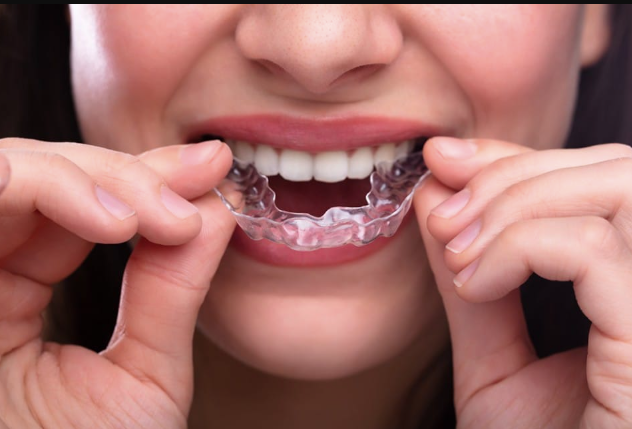
This splint is a clear, hard mouthpiece that fits over your upper or lower teeth. You usually wear it at night. Sometimes you also wear it during stressful tasks or long drives.
It helps you in three key ways:
- It spreads out biting forces so one tooth does not take the hit.
- It guides your jaw into a repeatable, stable position.
- It shields teeth and dental work from grinding and clenching.
The goal is not only comfort. The goal is a clear, steady bite that your dentist can measure and trust before reshaping any tooth.
Step by step process from splint to full smile
You move through three simple phases.
Phase 1. Assessment and planning
- Your dentist listens to your symptoms and health history.
- Your teeth, jaw joints, and muscles are checked.
- Photos, bite records, and x rays are taken when needed.
Resources from the National Institute of Dental and Craniofacial Research explain common jaw joint problems and can support this first talk.
Phase 2. Splint design and bite testing
- Impressions or digital scans of your teeth are taken.
- A lab makes a splint that fits your mouth and bite.
- You try the splint. Then the dentist adjusts it so your teeth contact evenly.
You wear the splint as directed. At follow-up visits, your dentist checks:
- Changes in headaches or jaw tension
- Improved sleep or less clenching
- More even bite contact on the splint surface
Once your symptoms calm and your bite feels steady on the splint, your dentist has a “blueprint” for your final bite.
See also: Commercial Property Solicitors in Grantham: How They Support Local Businesses
Phase 3. Smile rehabilitation
With the bite position set, your dentist can plan safe changes to your teeth. These may include:
- Tooth colored fillings to rebuild worn edges
- Onlays or crowns for cracked or weak teeth
- Veneers for shape and color changes
- Orthodontic care when tooth position needs correction
You may still use the splint at night after treatment. It acts like a shield for your new smile.
Comparing splint-guided care with traditional smile makeovers
| Feature | With patient specific occlusal splint | Without splint guided planning |
|---|---|---|
| Bite stability before treatment | Tested and confirmed over time | Often based on one visit bite check |
| Risk of broken crowns or veneers | Lower due to controlled forces | Higher when clenching or grinding continues |
| Jaw and muscle comfort | Monitored and improved before final work | Problems may appear after teeth are treated |
| Number of unplanned repairs | Usually fewer over the years | Can increase, which adds cost and stress |
| Protection during sleep | Ongoing, with night splint use | Often none, so teeth stay at risk |
How this supports your long-term health
Your mouth is linked to your body’s health. Teeth grinding and jaw pain can disturb sleep. Poor sleep can affect mood and focus. Some people with sleep problems also grind their teeth. Guidance from the National Heart, Lung, and Blood Institute explains how sleep loss harms your body.
A steady bite and protected teeth can support:
- Deeper, quieter rest
- Less daily tension in the face and neck
- More trust in chewing and smiling
You gain more than a nice smile. You gain control over pain and damage that once felt random.
What to ask your dentist
You can take an active role. At your next visit, ask three direct questions:
- “Is my bite even, or are some teeth taking more force?”
- “Would a patient-specific occlusal splint help test a safer bite before crowns or veneers?”
- “How long would I need to wear the splint before we plan full treatment?”
Bring a list of your symptoms. Include when they start, what triggers them, and what eases them. Clear notes help your dentist match your story to what is seen in your mouth.
Taking the next step
Living with jaw pain or worn teeth can drain your energy. You may avoid chewy food. You may hide your smile in photos. You do not have to accept that. A patient-specific occlusal splint offers a simple, steady path from guesswork to clear answers.
When your bite is stable, a full smile rehabilitation becomes less risky and more durable. Crowns, veneers, and other care then work with your jaw, not against it. You deserve a plan that protects your comfort, your time, and your money. Ask about a patient-specific occlusal splint before you start your next smile makeover.