Your child’s teeth and jaws change fast. You see the smile in photos. A Richmond family dentist sees hidden growth patterns that shape breathing, speech, and confidence. Modern family dentistry now uses advanced tools that catch problems before they cause pain. These tools do not just look for cavities. Instead, they track how bone, teeth, and soft tissue grow together over time. Early warning signs appear in small shifts that you cannot see in a mirror. A careful growth record helps you avoid sudden emergencies, rushed braces, or surgery later in life. Each visit becomes a check on how your child chews, sleeps, and speaks. When growth moves off course, your dentist can act early with simple steps. You gain clear answers. Your child gains steady, safe growth. This blog explains three advanced tools your dentist uses to monitor that progress.
1. Digital panoramic X-rays
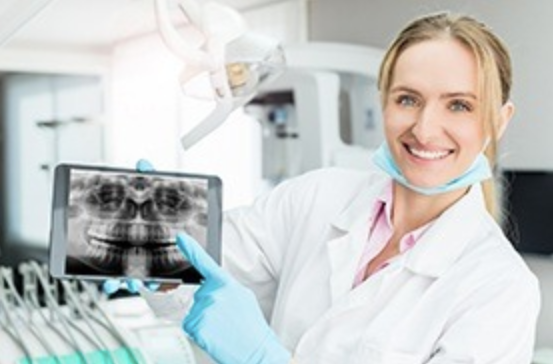
PanoramicX-rayss give a wide picture of the mouth. You see all teeth, both jaws, and joints in a single sweep. That single image shows what is above the gum and what hides below it.
With this tool, your dentist can
- Check if adult teeth line up well under baby teeth
- See if teeth grow sideways or stay trapped in bone
- Watch jaw joints for early strain
- Measure space for wisdom teeth before they crowd
Digital sensors use less radiation than older film X-rays. The image shows on a screen for seconds. That speed lets you sit with the dentist and look at growth together. You can see roots, nerve paths, and jaw lines in clear contrast. You do not guess. You see.
The Centers for Disease Control and Prevention explains that early checks help prevent many mouth problems. Panoramic X-rays give an early view of many growth issues.
2. Cephalometric imaging
Cephalometric imaging is a side-view X-ray of the head. It shows how teeth, jaws, and the base of the skull line up. It looks simple. Yet it carries strong clues about growth and breathing.
From this single image, your dentist can
- Measure how the upper and lower jaws fit together
- See if the jaw grows forward, back, or straight
- Check airway space behind the tongue and soft palate
- Plan timing for braces or other growth guides
This tool helps answer hard questions. Is your child’s overbite only about teeth? Or does the jaw position cause it? Is mouth breathing changing face shape? Or is nasal blockage the main cause?
By comparing cephalometric images over time, the dentist tracks how growth lines move. Small changes in angle or length can warn of future bite strain or sleep problems. That record supports slow, steady changes instead of rushed treatment later.
3. Intraoral scanners and 3D models
Intraoral scanners replace messy putty molds. A small camera glides across the teeth and gums. It captures thousands of points of data and builds a 3D picture on the screen.
With a 3D model, your dentist can
- Measure crowding with clear numbers
- Track how teeth move between visits
- Check bite contact from all angles
- Share exact models with orthodontists and surgeons
Children often tolerate scanning better than old molds. There is no goo, no long wait, and less fear. The image is stored in your child’s record so the dentist can compare year by year.
The National Institute of Dental and Craniofacial Research stresses that children’s mouths change quickly. Digital 3D models help match care to that fast pace. You and your dentist see a change in size, shape, and bite with strong detail.
See also:Why Homeowners and Business Owners Need Annual Roof Inspection Reports
How these tools work together
Each tool gives a different angle on growth.
- Panoramic X-rays show the big picture
- Cephalometric images show jaw and airway balance
- Intraoral scanners show surface detail and bite
Used together, they build a strong growth story. The dentist can check if what shows on one image matches the others. That cross-check cuts guesswork and supports clear choices.
| Tool | Main view | Best for | How often for growing kids |
|---|---|---|---|
| Digital panoramic X ray | Whole mouth and jaws | Missing teeth, extra teeth, wisdom teeth, jaw joint review | Every 3 to 5 years or as your dentist advises |
| Cephalometric image | Side view of head and airway | Bite type, jaw growth, airway space | Before braces and at key growth stages |
| Intraoral scanner | 3D teeth and bite | Crowding, tooth wear, tracking movement | Every 6 to 12 months when watching growth |
What this means for your child’s future care
Early, clear images let your dentist act before problems harden into bone. That can mean
- Simpler braces with shorter time
- Less chance of tooth removal
- Better airway support for sleep and focus
- Fewer sudden emergencies
You also gain peace of mind. You do not wait for pain or crooked teeth to tell you something is wrong. You track growth with your dentist and choose steps together. That shared plan brings steady progress and less fear for your child.
During your next visit, ask which of these tools your dentist uses and how often. Then ask to see the images and models on the screen. You deserve to understand how your child’s mouth grows and how each choice today shapes comfort, speech, and strength for years to come.