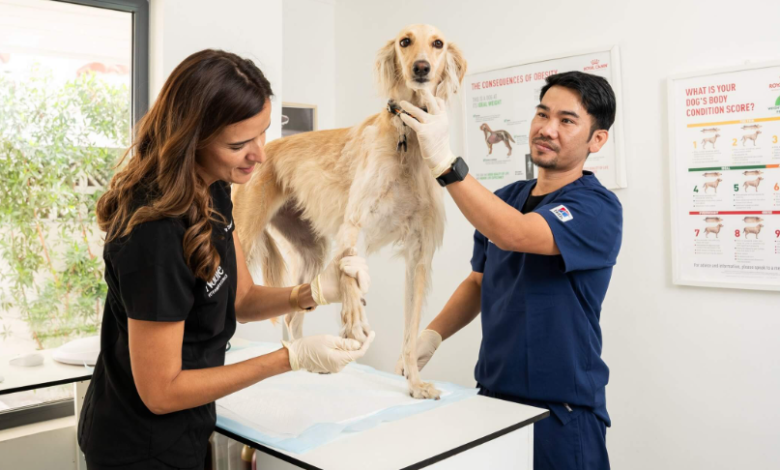
Skin and allergy problems can drain your energy and strain your bond with your pet. Constant itching, hair loss, red skin, or ear infections are not just “quirks.” There are signs your pet needs focused care. Veterinary hospitals play a clear role in finding the cause and building a plan that actually works. A veterinarian in Vestavia Hills can run tests, review your pet’s history, and spot patterns you may miss at home. Then the team can treat flare-ups, guide daily care, and watch for changes. This steady support helps reduce pain, protect your pet’s skin, and prevent infections. It also gives you clear steps so you do not feel alone or unsure. Your pet deserves calm skin and steady comfort. You deserve straight answers and a plan that fits your life.
Why skin and allergy issues need hospital support
Skin disease is one of the most common reasons pets see a doctor. The scratching and chewing can seem small at first. Soon, your pet may bleed, lose hair, or stop sleeping. You may feel helpless or even frustrated.
Veterinary hospitals help you in three clear ways.
- They find the cause of the problem.
- They treat current flare ups.
- They prevent new episodes.
Common triggers include:
- Fleas or other parasites
- Food allergies
- Pollen, mold, or dust
- Bacteria or yeast infections
- Contact with grass, cleaners, or fabrics
Each trigger needs a different plan. Guessing at home with random products can waste money and time. It can also cause more pain for your pet.
How veterinarians find the cause
Skin and allergy cases often look similar on the surface. A strong plan starts with a clear diagnosis. Veterinary teams use simple steps to reach that point.
- History. You share when signs started, what your pet eats, and what products you use.
- Exam. The doctor checks the whole body, not just one spot.
- Skin tests. These may include scraping, tape tests, or swabs.
- Allergy tests. Blood tests or skin tests may point to pollen or other triggers.
- Food trials. A strict diet trial can show if food is the cause.
These steps follow guidance from groups such as the American Veterinary Medical Association, which stress early exams and testing for itchy pets.
Common signs you should not ignore
Some signs seem minor. In truth, they often show deep discomfort. Watch for:
- Frequent scratching, licking, or chewing
- Red or dark patches of skin
- Odor from skin or ears
- Scabs, bumps, or thick skin
- Hair loss or dull coat
- Head shaking or ear discharge
Quick action can prevent infections and long-term scars. It can also protect your pet from long periods of stress.
Treatment options in veterinary hospitals
Once the cause is clear, the team can build a plan. You and the doctor decide what fits your pet and your home life. Most plans use a mix of three kinds of care.
- Relief care. Medicines that reduce itch and swelling. These may be pills, liquids, sprays, or injections.
- Targeted care. Treatment for infections, fleas, or mites. This may include antibiotics or parasite control products.
- Prevention care. Long term allergy control, diet changes, and skin support.
Hospitals also give clear guidance on bathing, ear cleaning, and safe products. You receive step-by-step instructions. You also know when to return for rechecks.
See also: Why Homeowners and Business Owners Need Annual Roof Inspection Reports
Home care vs veterinary hospital care
Many families start with home care. Shampoos and diet changes can help mild cases. Yet home care alone often misses hidden causes. The comparison below shows how hospital care supports you.
| Need | Home care only | Veterinary hospital care |
|---|---|---|
| Finding the true cause | Guessing based on products or internet tips | Uses exams, tests, and history to find triggers |
| Speed of relief | Slow improvement or no change | Faster relief with prescription treatments |
| Infection control | May miss deep or hidden infections | Checks for bacteria and yeast and treats them |
| Long term plan | Short-term focus on flare-ups only | Creates a clear plan to prevent new flare-ups |
| Safety | Risk of using harsh or unsafe products | Uses tested medicines and monitored care |
| Support for you | You manage stress on your own | Team answers questions and adjusts the plan |
Why follow up visits matter
Skin and allergy care rarely ends with one visit. Most pets need follow-up checks. These visits allow the team to:
- Review progress
- Adjust doses or products
- Catch new infections early
- Update diet or allergy plans
Regular checks also protect against side effects. Your doctor may use lab tests to monitor organ health when long-term medicines are needed. Guidance from sources such as the National Institutes of Health highlights the need for careful monitoring when pets use allergy medicines over time.
How you can support your pet at home
Hospital care works best when you follow a steady routine at home. You can help by:
- Giving all medicines exactly as directed
- Keeping a simple log of flare-ups and triggers
- Sticking to the prescribed food and treats
- Using only products approved by your veterinarian
- Scheduling rechecks on time
You know your pet best. Share any change in behavior, thirst, appetite, or energy with the team. Honest updates lead to better choices.
When to seek urgent help
Some signs need fast care. Call a hospital right away if you see:
- Swelling of the face or muzzle
- Hives or raised welts
- Trouble breathing
- Collapse or weakness
- Open wounds from chewing or scratching
These signs can point to a strong allergy reaction or serious infection. Quick treatment can protect your pet from lasting harm.
Taking the next step
Skin and allergy issues can leave you tired and worried. You may feel you have tried everything. A veterinary hospital offers clear answers and steady support. With proper tests, targeted treatment, and a simple home plan, your pet can rest without constant itching. You can feel calm knowing you have a trusted team by your side.