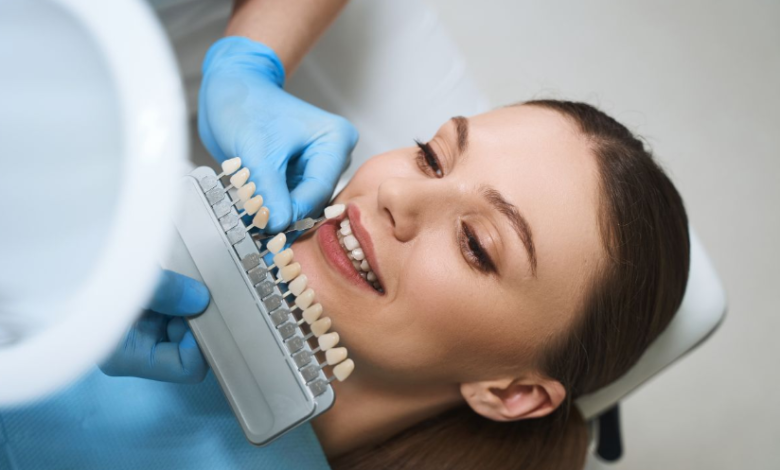
A cracked or stained tooth can change how you speak, laugh, and eat. You may hide your smile and feel alone in a crowd. Veneers offer a simple way to cover damage and reshape teeth so your smile looks even and clean. A San Ramon dentist uses thin shells that bond to the front of your teeth. These shells can change color, size, and shape with careful planning. First, you share what you want. Then your dentist studies your bite, gum line, and face shape. Together you choose a look that fits you. Veneers can close gaps, mask chips, and smooth rough edges. They can also brighten teeth that do not respond to whitening. This blog explains how veneers work in cosmetic smile design, what to expect during treatment, and how to care for your new smile so it stays strong and natural.
What Veneers Are And How They Work
Veneers are thin covers that sit on the front of your teeth. They change how teeth look without full crowns. You keep most of your natural tooth. Your dentist shapes only the front surface so the veneer fits in your bite.
There are two common types.
- Porcelain veneers. These are made in a lab. They match color and shine. They resist stains from coffee or tea.
- Composite veneers. These use filling material shaped to your tooth. They cost less. They may stain sooner and need more repair.
The American Dental Association explains how tooth colored materials can restore shape and color in cosmetic care.
Problems Veneers Can Help Improve
Veneers do not fix every tooth problem. They do help with common concerns that affect how you feel when you smile.
- Stains that whitening does not lift
- Small chips or worn edges
- Uneven or short teeth
- Small gaps between teeth
- Mild crowding where teeth look twisted
- Old fillings that show on front teeth
You still need healthy gums and roots. Veneers only change the look. They do not treat decay or gum disease. Those issues need care first.
Veneers Compared With Other Smile Options
You may wonder how veneers compare with other treatments. This simple table shows key points.
| Treatment | Main purpose | Tooth removal | Helps with color | Helps with shape or gaps | Usual time to complete |
|---|---|---|---|---|---|
| Veneers | Change color and shape of front teeth | Small amount from front surface | Yes | Yes | Two to three visits |
| Teeth whitening | Lighten tooth color | None | Yes | No | One or more visits |
| Bonding | Repair chips or small gaps | Little or none | Yes | Yes for small changes | One visit |
| Crowns | Strengthen and cover damaged teeth | More removal around whole tooth | Yes | Yes | Two or more visits |
| Orthodontic treatment | Move teeth into better position | None | No | Yes by movement | Months to years |
This comparison shows why veneers sit between simple whitening and full crowns. They change more than color. They keep more of your own tooth than crowns.
See also: The Role Of Veterinary Clinics In Preventive Pet Care
Steps In Cosmetic Smile Design With Veneers
Smile design means planning how each tooth should look so your whole smile feels natural. Your dentist will move through clear steps.
1. Conversation And Exam
- You share what you dislike about your teeth.
- You talk about the color, length, and shape you want.
- Your dentist checks teeth, gums, and bite.
- X-rays or photos may help spot hidden problems.
The National Institute of Dental and Craniofacial Research explains how gum and tooth health affect treatment choices. .
2. Smile Plan And Mock Up
- Your dentist may draw on photos to show likely changes.
- Sometimes a mock-up is made on a model or on your teeth with bonding material.
- You review the shape and length and request small changes.
This step protects you from surprise. You see the goal before any tooth shaping.
3. Tooth Preparation And Temporary Veneers
- The front of each tooth is trimmed so the veneer has room.
- Impressions or scans go to a lab for custom work.
- Temporary covers protect teeth and let you test the look.
You wear temporaries for a short period. You can notice any sharp spots or speech changes and share that at the next visit.
4. Bonding The Final Veneers
- Your dentist checks the fit and color of one tooth at a time.
- Teeth are cleaned and treated so the glue holds.
- Each veneer is bonded and hardened with a curing light.
- The bite is checked. Edges are smoothed.
You leave with a new smile that feels firm right away.
Benefits And Limits You Should Know
Veneers can give emotional relief when you have hidden your smile for years. Still, they have limits. Knowing both helps you choose with clear eyes.
- Benefit. Natural look when color and shape match your face.
- Benefit. Stain resistance with porcelain.
- Benefit. Fast change compared with orthodontic treatment.
- Limit. Irreversible. Trimmed enamel does not grow back.
- Limit. Veneers can chip or crack under hard biting.
- Limit. They may need replacement after many years.
Teeth with large decay or weak roots may need crowns instead. Very crowded or rotated teeth may still need braces or clear aligners before veneers.
This dentist who does dental implants in Syracuse NY adds that by weighing the immediate aesthetic advantages against long-term maintenance needs, you can work with your provider to ensure your final choice aligns with both your lifestyle and your dental health goals
How To Care For Veneers So They Last
Good care protects both veneers and the tooth under them. Your daily choices matter.
- Brush twice a day with a soft brush.
- Use fluoride toothpaste.
- Clean between teeth each day with floss or small brushes.
- Wear a night guard if you grind your teeth.
- Avoid chewing ice or hard candy.
- Limit tobacco and dark drinks if you have composite veneers.
- Schedule regular checkups and cleanings.
Your dentist will check edges for leaks or wear. Early repair prevents decay from forming under a veneer.
Questions To Ask Before You Decide
Before you commit to veneers, ask clear questions.
- How many teeth should receive veneers for a balanced smile
- What type of veneer material do you suggest and why
- How much enamel will you remove
- How long do your veneers usually last for patients who care for them
- What will they cost, and what are the options for payment?
- What happens if a veneer chips or comes off
These questions give you control. They also show your dentist that you want careful, long-term results.
Taking The Next Step
A smile that feels safe can change how you move through your day. Veneers give you that change with a plan that respects your teeth. When you understand the process, the benefits, and the limits, you can choose with confidence and calm. Then each photo, meal, and shared laugh can feel less guarded and more honest.