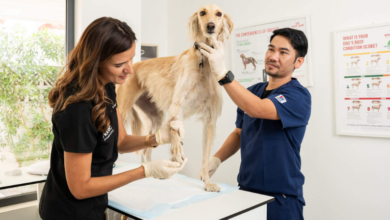
Behavior issues in pets cause stress at home. They can strain your bond and leave you feeling guilty or angry. You may see biting, hiding, nonstop barking, or accidents on the floor and think your pet is “being bad.” Often, the truth is different. Many pets show fear, pain, or confusion through behavior. You do not need to face this alone. Modern veterinary hospitals now treat behavior as part of total health. You can ask your regular team or a veterinarian in St. Joseph, Missouri for help. They use exams, history, and simple questions to uncover the cause. Then they build a plan that fits your daily life. This blog explains how hospitals spot behavior problems, how they treat them, and how you can support your pet at home. You will see that behavior care is not extra. It is basic health care.
Why Behavior Is Part of Health
Pets do not act out for no reason. Every action has a cause. Your pet may feel pain, fear, or stress. You may not see it. Behavior is often the first clear signal.
Veterinary teams now treat behavior as a health need. They look at:
- Body health
- Mind health
- Daily routine at home
Research from the American Veterinary Medical Association shows many pet behavior issues are linked to health problems, poor social contact, or fear. When hospitals treat these, they often calm down. Your home feels safer.
How Hospitals Spot Behavior Problems
Behavior care starts at check-in. You may see a short form with questions about:
- House soiling or marking
- Biting, growling, or snapping
- Barking, howling, or crying
- Chewing, scratching, or licking
- Hiding, pacing, or clinging
Next, your team asks you to describe what you see. They ask clear questions.
- When did it start
- What was happening right before it
- How often does it happen
- What do you do when it happens
Then they examine your pet. They check teeth, joints, skin, eyes, ears, and belly. They may order blood tests or imaging. Many behavior changes start with pain, thyroid disease, brain disease, or hormone changes.
Common Medical Causes Behind Behavior
| Behavior You See | Possible Medical Cause | Common Next Step |
|---|---|---|
| Sudden aggression when touched | Arthritis or injury | Pain exam and pain relief plan |
| House soiling in a trained pet | Urinary or bowel disease | Urine test and stool test |
| Excessive eating or drinking | Hormone or organ disease | Blood work and imaging |
| New fear or confusion | Brain disease or age change | Neurologic exam and scans |
| Constant licking or chewing | Allergy or skin pain | Skin tests and allergy control |
You do not need to guess. You just need to share what you see. The hospital team connects the dots.
Behavior Assessments You Can Expect
After health problems are checked, many hospitals use simple behavior tools. You may see:
- Behavior history forms that track triggers and patterns
- Fear and stress scoring during visits
- Video review of problem events at home
Staff may watch your pet walk, greet people, or enter the exam room. They look for ear position, tail motion, breathing, and eye focus. Small body signs reveal fear or anger early. Then they adjust the visit to lower stress.
Treatment Plans Used in Veterinary Hospitals
Once your team understands the cause, they create a plan. It often includes three parts.
1. Medical Treatment
- Pain relief for joint or dental disease
- Medicine for thyroid, kidney, or brain disease
- Flea, tick, or allergy control for skin issues
When pain or sickness eases, behavior often improves. Routine care is more effective after treatment.
2. Behavior Change Plan
Hospitals use clear training steps. They may teach you to:
- Reward calm behavior
- Ignore or redirect unwanted behavior
- Use short daily sessions instead of long drills
They may also guide you through desensitization and counterconditioning. You slowly expose your pet to a trigger at a level they can handle. Then you pair that trigger with something your pet enjoys. Over time, the fear link weakens. The trigger feels safer.
3. Changes at Home
Your home setup can reduce stress. The team may suggest:
- Safe spaces such as crates or quiet rooms
- Food puzzles and scent games
- Steady routines for feeding, walks, and sleep
These changes help your pet feel secure. That calm base supports all other treatment.
Behavior Medications and When They Are Used
Some pets need medicine for behavioral health. This is not a failure. It is a tool. Your veterinarian may use medicine to:
- Lower panic that blocks learning
- Reduce constant fear or racing thoughts
- Protect your pet from self harm
The National Institutes of Health reports that behavior medicine works best with training and home changes. Your hospital will start with a low dose and watch closely. They schedule follow-ups. They ask you for reports. Together, you adjust the plan.
How Veterinary Hospitals Support You
Behavior cases can drain you. Veterinary teams understand that you may feel shame or anger. They offer support for you as well as your pet.
Many hospitals provide:
- Printed step by step plans
- Follow up calls or emails
- Referrals to certified trainers or behavior specialists
They may also suggest support groups or online classes. You gain skills. You also see that other families face the same struggle. That relief matters.
When To Ask For Help
Contact your veterinary hospital when you see any of these:
- Sudden change in behavior
- Any bite to a person or other animal
- House soiling after long success
- Noise or separation panic
- Self-harm, such as chewing or licking skin
Do not wait for it to pass. Early help protects your pet and your family.
Your Role in Your Pet’s Behavior Health
You are your pet’s voice. You see them every day. Your careful notes and honest stories guide the hospital team.
You can help by:
- Keeping a behavior log with time, place, and trigger
- Recording short videos of problem events when safe
- Following the plan and asking questions when it feels hard
Behavioral health is part of routine care. When you and your veterinary hospital work together, your pet gains safety and peace. Your home gains calm. Your bond grows stronger.