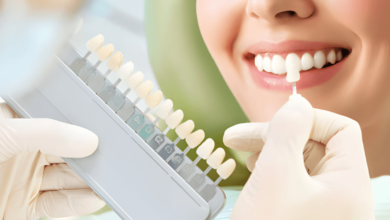
You may feel uneasy when you hide your smile. Missing, cracked, or stained teeth can crush confidence and strain daily life. You deserve care that restores strength and beauty at the same time. Modern dentistry offers options that repair damage and also upgrade how your smile looks. You can chew with ease, speak clearly, and feel calm in photos again. A skilled dentist can match color, shape, and size so treatment blends with your natural teeth. Nothing should look fake or bulky. Instead, every tooth should feel like it truly belongs. With the right plan, you can fix long term problems and avoid new ones. A trusted dentist in Rutherford, NJ can guide you through safe choices. This blog explains four types of restorations that protect your teeth and also improve your smile. You will see what each option does, when it helps, and what to expect.
1. Tooth Colored Fillings
Tooth colored fillings repair small cavities and chips. They also blend with your natural teeth so no one sees silver spots when you talk or laugh.
Instead of metal, your dentist uses a resin that bonds to your tooth. This can help preserve more healthy structure. It also supports the tooth so it is less likely to crack under pressure.
Tooth colored fillings may help when you:
- Have small to medium cavities
- Notice old metal fillings that show when you smile
- See small chips or worn edges on front teeth
2. Dental Crowns
Dental crowns cover the entire visible part of a tooth. They act like a strong shield. At the same time, they can reshape a tooth that looks short, dark, or misshapen.
Your dentist may suggest a crown if you:
- Have a tooth with a large cavity or crack
- Need protection after a root canal
- Want to cover a tooth with deep stains that do not respond to whitening
Modern crowns often use ceramic that matches your natural shade. The right crown can:
- Restore strength for chewing
- Create a smooth, even smile line
- Protect teeth from future fractures
3. Dental Bridges
Dental bridges fill the gap left by one or more missing teeth. They connect to teeth on each side of the space. The bridge holds a replacement tooth that looks like it grew there.
Missing teeth can cause nearby teeth to shift. That can change your bite and face shape. A bridge keeps teeth in place and supports your jaw.
You may benefit from a bridge if you:
- Have one or two missing teeth in a row
- Want a fixed option that does not come in and out
- Seek a solution that restores both chewing and appearance
The National Institute of Dental and Craniofacial Research explains how tooth loss affects daily life and health on its tooth loss information page. Replacing missing teeth can help you eat, speak, and smile with stability.
4. Porcelain Veneers
Porcelain veneers are thin shells that cover the front of teeth. They can change color, shape, and spacing all at once. Veneers do not treat decay or infection. Instead, they improve the look of teeth that are already healthy.
Veneers may help if you:
- Have stains that whitening does not fix
- Notice small gaps between teeth
- See uneven, worn, or slightly crooked teeth
Your dentist removes a small amount of enamel so the veneer sits flush. Then the veneer bonds to your tooth. The result can be a natural look that reflects light in a way that feels like real enamel.
See also: How Veterinary Hospitals Address Behavioral Health Issues
Comparison Table Of Common Restorations
| Restoration Type | Main Purpose | Best For | Cosmetic Benefit | Typical Longevity Range |
|---|---|---|---|---|
| Tooth Colored Filling | Repair decay or small chips | Small to medium cavities | Blends with natural tooth color | 5 to 10 years |
| Dental Crown | Strengthen and protect weak teeth | Large decay, cracks, after root canal | Improves shape, color, and alignment of one tooth | 10 to 15 years or longer |
| Dental Bridge | Replace one or more missing teeth | Gaps with strong support teeth nearby | Fills spaces and restores a full smile line | 10 to 15 years or longer |
| Porcelain Veneer | Change appearance of front teeth | Stains, chips, small gaps, minor crowding | Creates uniform color and shape across front teeth | 10 to 15 years |
How To Choose The Right Option
You and your dentist should decide together. First, share what bothers you most. Then talk about your health history, habits, and budget.
Three questions can guide your choice:
- Does this tooth need strength, better looks, or both
- How long do you want the result to last
- How much change do you want to see when you smile
Early care can prevent larger problems. Routine checkups and cleanings support any restoration you receive. Good brushing, flossing, and fluoride use at home matter as well.
According to this Tampa dentist, taking these proactive steps ensures that your dental work remains functional and aesthetically pleasing for years to come. You can search for terms like restorative dentistry or dentist near me.
Taking Your Next Step
You do not have to live with pain, sharp edges, or gaps that cause shame. Restorations can protect your teeth and also help you feel proud of your smile. You can ask questions, set clear goals, and move at a pace that feels safe.
When you choose care that respects both health and appearance, you give yourself a stronger bite, clearer speech, and a smile that feels honest. That change can touch work, family time, and quiet moments in front of a mirror.