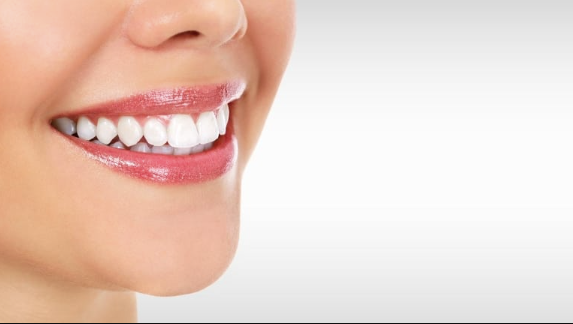
A worn smile can drain your confidence fast. You might hide your teeth in photos. You might avoid speaking up in meetings. You might even skip social events. Cosmetic dentistry can help you stop that spiral. It focuses on how your teeth look and how your smile feels to you. You may want whiter teeth. You may want straighter teeth. You may need to fix chips, gaps, or stains that never go away. A smile makeover can blend these treatments into one clear plan. It should fit your goals, your health, and your budget. It should also respect your time. A trusted family and cosmetic dentist in Jenison can review your teeth, gums, and bite. Then you can talk about what bothers you most. You can also hear what changes are realistic. That honest talk is the first step toward a smile you trust.
What A Smile Makeover Really Means
A smile makeover is a set of planned steps. Each step aims at one clear problem. Together they reshape how your teeth look when you speak, laugh, or eat.
Common parts of a smile makeover include three main types of care.
- Whitening for stains from coffee, tea, or tobacco
- Bonding or veneers for chips, cracks, and gaps
- Aligners or braces for crowded or twisted teeth
Sometimes you also need care for worn edges or missing teeth. That can include crowns, bridges, or implants. A smile makeover is not one quick fix. It is a plan that respects your mouth as a whole system.
When To Consider Cosmetic Dentistry
You do not need to wait for a crisis. You should think about cosmetic dentistry when three things line up.
- You feel uneasy about your smile most days
- You avoid photos or social time because of your teeth
- You have healthy gums and no untreated decay
The last point matters. Cosmetic work builds on healthy teeth and gums. The Centers for Disease Control and Prevention explain that untreated decay and gum disease can lead to pain and tooth loss. Cosmetic care on top of active disease will not last. First, you fix the infection. Then you shape the look.
Why A Smile Makeover Can Help
Cosmetic dentistry does more than change looks. It can also support function and long-term health.
- Stronger bite. Crowded or worn teeth can cause uneven forces. Straight and rebuilt teeth can share pressure more evenly.
- Easier cleaning. Smooth, aligned teeth are easier to brush and floss. That can lower your risk of decay and gum disease.
- Clearer speech. Gaps or missing teeth can affect how you say some sounds. Restored teeth can improve speech.
There is also the emotional side. A smile you trust can ease daily worry. It can help during job interviews, school events, or simple chats at the store. Confidence in your smile often leads to stronger eye contact and calmer body language.
According to this dentist who does quality Invisalign in Vienna VA, modern restorative techniques ensure these improvements are durable and tailored to your unique facial structure. Investing in your smile creates a lasting balance between aesthetic appeal and essential oral function.
See also: The Impact Of Parental Oral Health On Children’s Dental Outcomes
Common Cosmetic Options Compared
Each treatment meets a different need. This table gives a simple comparison you can use as a starting point. Actual costs and times vary by person and location.
| Treatment | Main Purpose | Typical Use Time | Typical Longevity | Common Concerns It Helps |
|---|---|---|---|---|
| Teeth whitening | Lighten stains | One visit or a few weeks with trays | Months to a few years with touch-ups | Coffee stains, tea stains, tobacco stains, age-related darkening |
| Dental bonding | Reshape tooth surface | One visit | Several years with care | Small chips, small gaps, minor shape issues, single dark spots |
| Porcelain veneers | Change color and shape | Two to three visits | Many years with care | Heavy stains, uneven edges, worn teeth, moderate gaps |
| Clear aligners or braces | Straighten teeth | Several months to a few years | Long term with retainer use | Crowding, spacing, rotated teeth, some bite issues |
| Crowns | Protect and rebuild | Two visits in many cases | Many years with care | Large cracks, heavy wear, large fillings, broken teeth |
| Implants | Replace missing teeth | Several months from start to finish | Can last many years with care | One or more missing teeth, slipping partials, chewing limits |
Health First Then Cosmetics
You should fix the active disease before any cosmetic work. That means treating cavities, gum disease, and infections first. The National Institute of Dental and Craniofacial Research describes how decay develops and why early treatment matters.
Here is a simple order of steps.
- Exam, X-rays, and gum check
- Treatment of decay, gum disease, and infections
- Review of bite and tooth wear
- Plan for cosmetic changes that fit your health status
This order protects your investment. It also lowers the risk of pain or emergencies during cosmetic care.
Questions To Ask Before You Decide
Before you start a smile makeover, you should ask three core questions.
- What are my top three concerns about my teeth
- How much time can I commit over the next year
- What level of daily care am I ready to keep up
Then you can ask your dentist key questions.
- Which options protect my tooth structure the most
- What results are realistic for my teeth and gums
- How long will each choice likely last with normal care
Clear answers help you choose a plan that feels honest and steady.
Daily Habits That Protect Your New Smile
A smile makeover needs routine support. Without that support, results fade fast. With it, they can last for many years.
- Brush twice a day with fluoride toothpaste
- Floss once a day
- Use a mouthguard if you grind your teeth at night
- Limit sugary drinks and snacks
- Keep regular cleanings and checkups
These habits are simple. They are also powerful. They help prevent new decay and stains. They also protect the edges of bonding, veneers, and crowns.
Taking The Next Step
If your smile holds you back, you do not need to ignore that feeling. A careful smile makeover can match your health needs and your goals. It starts with a clear talk, an honest exam, and a plan you understand. From there, each small step brings your teeth closer to the smile you want to share.