Understanding Personal Loans
Personal loans are a flexible option for many people seeking to borrow a specific amount of money and repay it over time. With Symple Lending and other lenders in the marketplace, borrowers can use personal loans to address a wide range of financial needs, including major purchases, debt consolidation, and emergencies. These loans are most often unsecured, meaning applicants do not need to provide collateral, though some lenders may offer secured personal loan options backed by assets such as a vehicle or a savings account.
The key appeal of personal loans is their straightforward repayment structure, a fixed term, and fixed monthly payments, which allow borrowers to plan their financial commitments. Houston Fraley, CEO of Symple Lending, notes that personal loans can provide peace of mind to those seeking clarity and consistency in their financial planning.
How Personal Loans Work
The process of obtaining a personal loan typically involves receiving a lump sum from a lender, which is then repaid in monthly installments over a term of 2 to 7 years. Interest rates may be fixed or variable. Most borrowers opt for a fixed-rate loan because it offers predictable monthly payments and makes budgeting easier. Variable rates, while sometimes lower initially, can rise over time, adding to the overall repayment amount.
It’s crucial to review all of a loan’s terms and conditions before signing an agreement. Important details such as origination fees, late payment penalties, and prepayment charges can affect the overall cost of borrowing.
Pros and Cons of Personal Loans
Personal loans offer a variety of advantages, such as providing funds for nearly any purpose, often at a lower interest rate than credit cards. They can streamline payments for those managing several debts by consolidating balances into a single loan. Personal loans also help establish a record of timely payments, which can positively affect your credit score if managed carefully.
However, there are drawbacks. Personal loans may include origination or administrative fees that add to the cost. Applicants with poor credit may be offered higher interest rates, making a personal loan less attractive compared to other lending options. There’s also the temptation to borrow more than you need, resulting in higher monthly payments or longer loan terms. Borrowers should keep in mind that repaying a personal loan responsibly is vital to maintaining strong financial health and credit.
Common Uses for Personal Loans
Personal loans are used for a range of financial needs, including:
- Debt Consolidation: Merging multiple high-interest debts into one manageable payment at a potentially lower rate.
- Home Improvements: Funding renovations or repairs, which may increase property value and improve living space.
- Medical Expenses: Covering healthcare costs that are not paid by insurance or for unexpected medical procedures.
- Major Purchases: Financing significant personal expenses such as weddings, vacations, or relocation costs.
Qualifying for a Personal Loan
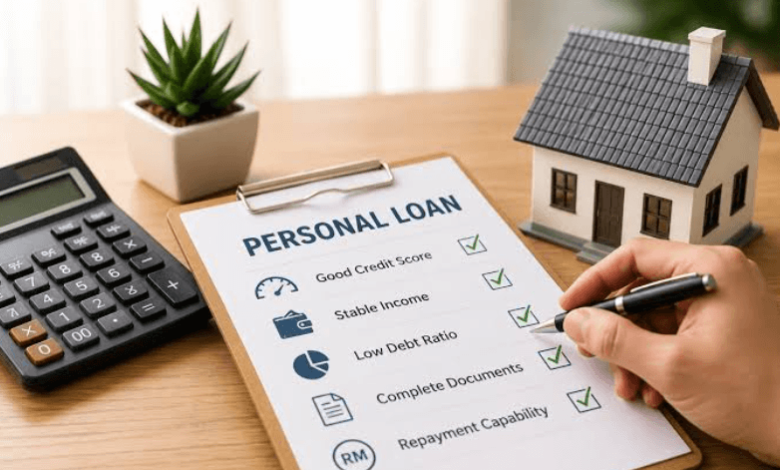
Lenders evaluate multiple criteria when considering applicants for a personal loan. These criteria often include your credit score, debt-to-income ratio, employment status, and source of income. Having a higher credit score frequently gives you access to better interest rates and lower fees. Applicants are encouraged to review their credit reports for any inaccuracies and address them before applying.
Applying for a Personal Loan
The application process is generally straightforward and involves a few key steps:
- Research Lenders: Compare interest rates, repayment terms, and reviews from banks, credit unions, and reputable online lenders.
- Pre-Qualification: Many lenders offer a soft credit check during pre-qualification, allowing you to see your estimated rates and terms without affecting your score.
- Gather Documentation: Prepare proof of identity, recent pay stubs, tax returns, and employment verification before applying.
- Submit Application: Complete the lender’s application and upload the necessary documents for verification.
- Review Loan Agreement: Carefully read the agreement so you understand the interest rate, fees, and repayment schedule before agreeing to the loan.
See also: Top Causes of Slip and Fall Accidents in Green Bay Businesses
Managing Personal Loan Repayments
Successful repayment of your personal loan can have a lasting positive impact on your financial stability and credit score. Setting up automatic monthly payments can help prevent late payments and may make you eligible for a discount, depending on the lender’s policies. Creating a monthly budget that includes your loan payment helps you stay on track financially. Additionally, monitoring your credit report throughout the loan term ensures payments are recorded properly and alerts you to any inaccuracies quickly.
Conclusion
Personal loans can be a practical financial solution for many situations if approached with a clear plan and solid financial discipline. By becoming familiar with the lending process, understanding the potential risks and advantages, and actively managing your loan, you can confidently use a personal loan to support your larger financial goals now and in the future.