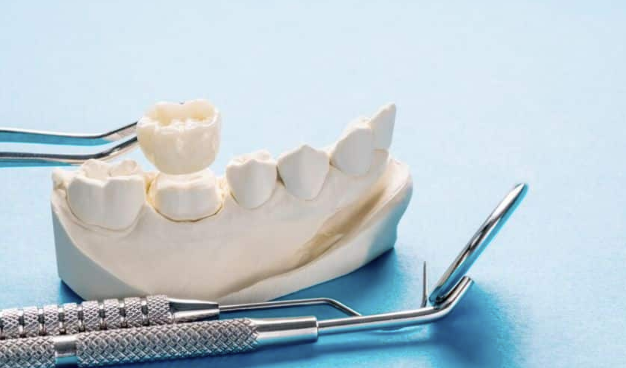
You hear a lot of stories about dental crowns. Some sound scary. Some sound expensive. Most are not true. Fear often comes from confusion. You deserve clear facts before you sit in the chair. This blog breaks down five common myths about crowns and replaces them with the plain truth. You will see what crowns actually do, how they feel, how long they last, and what choices you have. You will also see when a crown makes sense and when it does not. If you worry about pain, cost, or how your smile will look, you are not alone. Many people in your community ask the same questions during visits with a dentist in Westwood, NJ. By the end, you can walk into your next appointment with steady confidence and fewer doubts.
Myth 1: “Getting a crown hurts a lot”
Pain is the first fear. You may picture a harsh drill and long shots. Modern care looks very different.
During a crown visit, your tooth and gums become numb. You feel pressure. You do not feel sharp pain. Many people say the visit feels like getting a filling. The goal is to protect the nerve, not upset it.
You may feel mild soreness after the visit. You can usually manage this with over-the-counter pain medicine and rest. If you follow instructions, this soreness fades fast. Severe pain is not normal. You should call your dentist if pain wakes you up at night or grows worse after a few days.
The National Institute of Dental and Craniofacial Research explains that early care often prevents deeper pain. A crown often saves you from the severe pain of a cracked tooth or deep decay.
Myth 2: “Crowns are only for older people”
Age does not decide who needs a crown. Damage does. A crown is a cover. It protects a weak tooth so you can still chew on it.
You may need a crown if you
- Have a large cavity that a filling cannot support
- Had a root canal on a back tooth
- Cracked or broke a tooth while eating or playing sports
- Grind your teeth and wear them down
Children sometimes need crowns on baby teeth when decay is deep. Adults in their 20s may need crowns after sports injuries. Grandparents may need crowns after years of wear. The need comes from the tooth story, not the birth year.
By accepting a crown early, you often avoid the removal of the tooth. That choice protects your bite and your face shape.
Myth 3: “Crowns look fake, and everyone will notice”
Many people fear a dark line at the gum or a bulky shape. Modern crowns can look very natural. The color and shape match your nearby teeth. People usually cannot tell which tooth has a crown unless you point it out.
Here is a simple comparison of common crown materials and how they look and feel in daily life.
| Type of crown | Common use | Look |
|---|---|---|
| All ceramic or porcelain | Front and side teeth | Blends with natural color |
| Porcelain fused to metal | Back teeth | Tooth colored surface |
| All metal | Back molars | Visible metal when you open wide |
You and your dentist choose based on tooth position, bite force, and cost. If you care about looks, you can say so. Together you can pick a crown that fits your mouth and your comfort level.
Myth 4: “Crowns do not last long, so they are not worth it”
Another fear is that a crown will break soon. You may worry you will pay again and again. Crowns are not forever. Still, with care, they can serve you for many years.
Many crowns last 10 to 15 years. Some last much longer. Their lives depend on three main factors.
- Your daily care, such as brushing and flossing
- Whether you grind or clench your teeth
- Whether you keep up with cleanings and checks
The U.S. Centers for Disease Control and Prevention reports that nearly half of adults have some form of gum disease. Gum disease and decay around the crown edges are common reasons crowns fail. Good home care and regular visits protect the edges.
A crown may crack if you bite ice or hard candy. You can lower this risk by avoiding hard objects and by wearing a night guard if you grind. When you treat the crown with the same care as a real tooth, it can stay strong for many years.
Myth 5: “A crown fixes everything so I can stop worrying”
A crown is strong. It is not a shield that blocks all harm. The tooth under the crown can still decay. The gum around it can still get infected. You still need to care for it every day.
You should
- Brush twice a day with fluoride toothpaste
- Floss around the crown every day
- Use any rinse your dentist suggests
- Keep regular cleanings and checkups
If you feel new pain when you bite or notice swelling, you should not wait. Early checks protect the tooth root and the bone around it. A crown works best as one part of steady care, not as the whole plan.
See also: Commercial Property Solicitors in Grantham: How They Support Local Businesses
When a crown makes sense for you
You may still wonder when to say yes to a crown. Ask yourself three key questions.
- Is the tooth cracked, weak, or filled on more than one side
- Do I feel worried every time I chew on that tooth
- Has my dentist warned that a simple filling will not hold
If you answer yes to these, a crown may be the safer choice. A crown often costs more at first than a filling. Yet it may prevent extra visits, deep pain, and removal. That can save time and money over the years.
You can also ask your dentist for clear photos and simple words. You have the right to see what they see. You also have the right to ask about other options and what happens if you wait.
Taking your next step with calm control
Fear grows in silence. When you learn the facts, fear loses power. Crowns do not need to feel scary or strange. They are common, tested, and often very helpful.
You can bring a written list of questions. You can ask about pain control, cost, and how your crown will look. You can request a clear plan for follow-up care. With honest talk and good information, you can protect your teeth and your peace of mind at the same time.