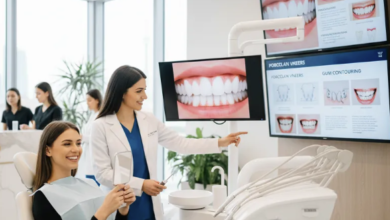
Your teeth affect how you eat, speak, sleep, and feel about yourself. They also shape your child’s health and confidence. That is why preventive care sits at the center of family dentistry. You protect your family when you stop problems before they start. You avoid pain, missed school days, rushed visits, and large bills. Instead, you build a steady routine that keeps everyone stable. Regular cleanings, exams, and simple home habits cut the risk of cavities, infections, and tooth loss. They also help your dentist spot small changes early, when treatment is easier and less stressful. As a family dentist Villa Rica, GA uses this approach every day. You bring your whole family to one place. You build trust. You get clear answers. This blog explains how preventive care works, what to expect at each age, and how small steps protect your family’s future health.
What Preventive Dental Care Really Means
Preventive care is simple. You keep your mouth clean. You see your dentist on a set schedule. You fix small problems early.
Core parts of preventive care include three habits.
- Daily brushing and flossing at home
- Regular checkups and cleanings
- Early treatment of small spots of decay or gum irritation
Research from the Centers for Disease Control and Prevention shows that tooth decay is one of the most common chronic conditions in children. Yet it is mostly preventable. You lower your risk when you pair home care with steady visits. You also protect your own teeth as a parent. Your child sees your habits and copies them.
Why Prevention Protects Your Whole Family
Bad teeth do more than cause mouth pain. They affect sleep, school, work, and mood. A child with a toothache does not focus in class. An adult with gum disease may avoid eating with family. Over time, this drains energy and money.
Preventive care supports your family in three key ways.
- Health. You reduce infections, bone loss, and tooth loss.
- Money. You avoid large treatments such as root canals and extractions.
- Time. You cut emergency visits and time away from school or work.
The National Institute of Dental and Craniofacial Research explains that early tooth decay does not always cause pain. A dentist can spot it long before you feel it. That gives you a chance to act, while a simple filling can solve the problem.
See also: Urli BoDecorwls: The Quintessential Element for Traditional Indian Home
Prevention At Every Age
Your family needs different support at each life stage. The goal stays the same. You want clean teeth, healthy gums, and steady habits.
| Age group | Main focus | Key preventive steps |
|---|---|---|
| Babies and toddlers | Protect first teeth | Wipe gums, brush tiny teeth, avoid putting baby to bed with a bottle |
| School-age children | Build strong habits | Twice daily brushing, flossing help, sealants, fluoride, limit sugary snacks |
| Teens | Support independence | Reinforce daily care, manage soda and sports drinks, protect teeth in sports |
| Adults | Prevent gum disease | Routine checkups, cleanings, treat grinding, do not ignore bleeding gums |
| Older adults | Keep teeth and comfort | Check dentures or bridges, manage dry mouth, watch for root decay |
You give your child a strong start when you bring them in by their first birthday. You get guidance on feeding, thumb sucking, and brushing. You also show that the dental office is a safe place.
Checkups And Cleanings: What To Expect
Routine visits follow a clear pattern. You know what will happen. Your child knows what will happen. That reduces fear.
A typical visit includes three parts.
- Review. You share any pain, changes, or medical updates.
- Cleaning. The team removes plaque and tartar that brushing misses.
- Exam. The dentist checks teeth, gums, tongue, and jaw. X-rays may be taken when needed.
During the visit, you also get straight talk. You learn where brushing is strong and where it slips. You hear that grinding, mouth breathing, or thumb sucking is harming teeth. You leave with clear next steps, not guesswork.
Home Habits That Make The Biggest Difference
You control most of the preventive care at home. Small daily actions carry more weight than rare fixes. Three habits matter most.
- Brush twice a day with fluoride toothpaste for two minutes
- Floss once a day to clean between teeth
- Limit sugary drinks and snacks to mealtimes
Guidance from the National Institute of Dental and Craniofacial Research stresses fluoride use and smart eating. Water with fluoride and less sugar helps teeth stay strong. You can set a family rule. Everyone brushes after breakfast and before bed. Everyone drinks water as the main drink.
This dentist in Flushing NY adds that beyond these routines, the tools you choose can significantly impact your results. Opting for a soft-bristled toothbrush and high-quality dental floss ensures that you are effectively removing plaque without causing unnecessary wear on your enamel or irritation to your gum tissue. Consistency with these small, high-impact choices creates a foundation for lifelong oral health
Prevention Versus Treatment: Cost And Stress
Many families wait for pain before they call. That choice often leads to longer visits, higher costs, and tired children. It also leads to fear that can last for years.
This simple table shows how prevention and delayed treatment compare.
| Type of care | Typical visit length | Stress level for child | Future impact |
|---|---|---|---|
| Regular checkup and cleaning | Short | Low | Fewer problems, lower long-term costs |
| Emergency visit for toothache | Long | High | More work needed, higher costs, more fear |
| Early small filling | Moderate | Moderate | Stops decay before it spreads |
| Root canal or extraction | Long | High | Tooth loss risk, more complex future care |
You cannot prevent every problem. You can still cut risk and stress. Routine care is more effective after treatment. You can protect the rest of the mouth and prevent repeat issues.
How To Build A Steady Family Routine
Change starts with one choice. You pick a dental home for your family. You keep the first visit. You show your children that care is not something to fear.
Use three steps to build a routine.
- Set your checkup dates in advance and treat them like any medical visit
- Create a simple brushing chart at home and reward steady effort
- Talk openly with your dentist about fears, money, and schedules
You do not need perfection. You need consistency. Every visit and every brushing session sends a message to your child. Teeth matter. Health matters. They are worth the effort.
When you commit to preventive care, you give your family fewer surprises and more control. You trade late-night emergencies for calm, planned visits. You protect your child’s smile and your own. You also build a steady base for every other part of health.