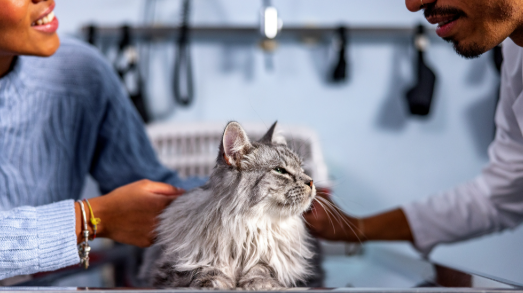
Choosing the right care for your cat can feel heavy. You want someone who understands your cat’s quiet signals and strange habits. A cat clinic focuses only on cats. That focus often means calmer visits, faster exams, and clear answers. Your cat does not face barking dogs or crowded waiting rooms. Instead, staff shape every step around cat comfort. Many cat clinics also offer longer visits, gentle handling, and simple treatment plans you can follow at home. If you see a veterinarian in south Calgary, you may notice more cat-only options than before. That change reflects what many cat owners already know. Cats need care that respects their stress, their bodies, and their age. This blog explains five strong reasons to choose a cat clinic over a general vet. It helps you decide what kind of clinic fits your cat’s needs and your peace of mind.
1. Lower stress for you and your cat
Cats often hide pain. They also often hide fear. Loud dogs, strange smells, and long waits can push your cat past its limit. A cat clinic removes many of these triggers. You walk into a quiet lobby. You see only cats. Staff moves with steady, calm steps. Every sound and surface aims to keep your cat steady.
Low-stress visits help in three ways. Your cat fights less during exams. You give staff clear consent for needed tests. Your cat heals faster at home because the visit did not cause extra strain. Stress can change heart rate and blood pressure. It can even change lab results. The National Institutes of Health notes that fear and stress can affect health data in animals. A quiet visit gives a more honest picture of your cat’s body.
2. Cat focused training and skills
General vets see dogs, cats, and many other species. They work hard for each patient. Yet cats need special handling and care. A cat clinic team trains on cat behavior, cat body language, and cat-only diseases. You meet staff who read tail flicks, ear shifts, and small sounds. They know when your cat needs a pause. They know when your cat needs a towel wrap or softer light.
This focus also shows in treatment plans. Doses, drug choices, and follow-up schedules match the cat’s needs. You often get clearer talk about common cat issues. These include kidney disease, thyroid disease, dental disease, and weight gain. Focus builds skill. Over time, a cat only team sees patterns faster and makes fewer missed steps.
3. Safer exams and handling
Cats can scratch or bite when scared. This hurts the staff and your cat. It also scares you. A cat clinic sets up each room to avoid panic. Tables feel stable. Hiding spots stand ready. Staff use towels, gentle holds, and slow moves instead of force. Many cat clinics follow “fear-free” or “cat-friendly” care plans. These plans line up with ideas shared by the American Veterinary Medical Association on cat care and behavior.
Safe handling means fewer injuries, fewer broken nails, and fewer failed visits. You do not need to feel shame if your cat hisses or swats. Staff expect this. They plan for it. You and your cat both walk out with trust still in place.
See also: How Cosmetic Dentistry Builds On The Foundation Of Healthy Smiles
4. Better match for cat health needs
Cats age fast. They also hide illness until late stages. Cat clinics build care plans that push for early checks. These plans often use regular blood work, urine tests, and dental checks. They also use clear home care steps. You might learn how to watch litter box changes, coat quality, or small weight shifts.
Many cat clinics offer quiet spaces for longer talks. You can ask about food, litter, scratching, and mood. You can also plan for senior years and serious illness. This support helps you act early. Early action often means less pain and lower long-term cost.
5. A calmer experience for the whole family
Vet visits can unsettle children and adults. A loud lobby and a panicked cat can leave lasting fear. A cat clinic often feels more like a quiet office than a busy clinic. You can speak in a normal voice. You can comfort your cat without rushing. Staff often explain each step in plain words. This helps children learn steady care and respect for animals.
When visits feel calm, you are more likely to return on time. Routine care then becomes a habit, not a crisis response. Your cat stays on track with vaccines, dental cleanings, and senior checks. You feel less guilt and less doubt.
Side by side comparison
| Feature | Cat Clinic | General Vet Clinic |
|---|---|---|
| Species seen | Cats only | Cats, dogs, and other pets |
| Waiting room noise | Quiet, no dogs | Mixed, often includes barking |
| Staff training focus | Cat behavior and cat diseases | Wide range of species and needs |
| Handling methods | Cat centered, gentle holds, hiding spots | Varies by clinic and staff |
| Stress level for cat | Lower in most cases | Higher for many cats |
| Visit length | Often allows more time per cat | Often shorter due to mixed schedule |
| Home care support | Focused on cat routines and signs | More general guidance |
How to choose the right clinic for your cat
You still need to choose with care. You can start with three steps. First, call and ask if the clinic is cat-only. Second, ask how staff reduce stress for cats. Third, ask how they handle scared or aggressive cats. Clear, steady answers show respect for you and your cat.
You can also ask about hours, cost, and emergency plans. You may not find every service under one roof. That is fine. What matters most is a team that listens and treats your cat as an individual. With the right clinic, each visit becomes a step toward a longer, steadier life for your cat.