Your dentist just told you that you or your child may need sealants. You might feel unsure or even nervous. You deserve clear answers. Sealants are thin protective coatings that your dentist paints on the chewing surfaces of back teeth. These teeth trap food and bacteria. They are also harder to keep clean. Sealants block decay before it starts. They support your daily brushing and flossing. They also help you avoid future pain, shots, and emergency visits. If you already feel tense in the chair, your dentist may also talk with you about sedation dentistry in Fairfield, ME. You may worry that sealants are only for children or that they hurt. They are quick, simple, and do not damage your teeth. This blog shares three direct reasons your general dentist may suggest sealant treatment and how it protects your health and your budget.
Reason 1: Sealants cut your risk of cavities
Back teeth have deep grooves that trap food. Your toothbrush bristles cannot always reach the bottom of those grooves. Plaque sits there. Then, acid attacks the enamel. Over time, a cavity forms. Sealants cover those grooves with a thin shield. Food and germs stay on the surface, where brushing can remove them.
Research from the Centers for Disease Control and Prevention shows strong protection. Children with sealants have about three times fewer cavities in molars than those without sealants.
This protection matters for you and your child. Cavities in molars can spread. They can also reach the nerve. Then you face more shots, deeper drilling, or even root canal treatment. Sealants cut that chain early. You avoid pain. You keep a more natural tooth structure. You also keep visits shorter.
Sealants do not replace brushing, flossing, or fluoride. They work with them. You still need to brush twice a day with fluoride toothpaste. You still need to floss. You still need cleanings. Together, these steps give a strong defense against decay.
Reason 2: Sealants save time, money, and stress
Every untreated cavity grows. A small spot on the surface can become a large hole. That growth means more visits and higher costs. Sealants help you stop that pattern before it starts.
The table below compares a sealant on one molar with common treatments for a single cavity in that tooth. Costs are sample ranges only. Your dentist can explain your own costs.
| Treatment | Typical time in chair | Typical cost per tooth (no insurance) | Reason dentist may suggest it |
|---|---|---|---|
| Sealant | 10 to 15 minutes | $30 to $60 | Protects a healthy molar from decay |
| Small filling | 30 to 45 minutes | $150 to $250 | Treats a small cavity that reached enamel and dentin |
| Large filling or crown | 60 to 90 minutes | $800 to $1,500 | Repairs a tooth with major breakdown |
| Root canal with crown | 2 or more visits | $1,500 to $2,500 | Saves a tooth after deep infection reaches the nerve |
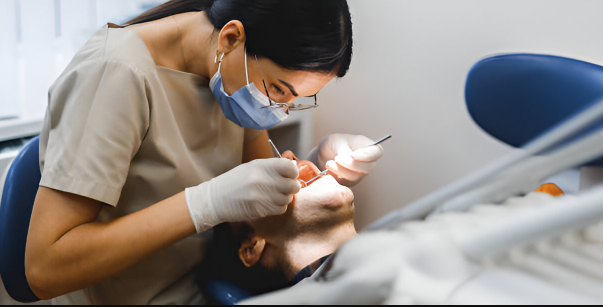
Sealants are quick. You sit back. The tooth is cleaned. A gentle gel prepares the surface. The tooth is rinsed and dried. The dentist or hygienist paints on the sealant. A curing light hardens it. You feel the light on the tooth. You do not feel pain.
Next, you bite on paper so your dentist can check your bite. Then you are done. Most people return to normal eating right away. That single short visit can spare you from long future visits and higher bills.
The American Dental Association explains that sealants can prevent up to 80 percent of cavities in the back teeth during the first two years.
Reason 3: Sealants support anxious or sensitive patients
Many people feel fear in the dental chair. Children may cry or refuse to open. Adults may avoid visits until pain forces them to come in. Sealants help ease that burden. A short, simple, painless visit builds trust. You or your child sees that dental care does not always hurt. That memory can soften fear over time.
For a child with special needs or a strong gag reflex, even a small filling can feel overwhelming. A sealant visit is different. No shots. No drilling. No long time in the chair. Your dentist protects the teeth before they reach that crisis point.
Sealants also support teens with braces. Brackets and wires trap food. Cleaning every groove is hard. Sealants on molars lower the risk of white spots and cavities that can form around those brackets.
For adults, sealants may help if you have:
- Deep grooves that catch food
- Past history of many cavities
- Dry mouth from medicines or health conditions
Dry mouth raises cavity risk because saliva cannot wash away food or neutralize acid. Sealants give those at-risk teeth an extra shield. That support is simple and quiet. Yet it protects your comfort and your dignity.
Who should consider sealants and when
Dentists often suggest sealants for:
- Children, when first permanent molars come in around age 6
- Children again when second molars come in around age 12
- Teens with deep grooves or braces
- Adults with healthy molars that still have strong chewing surfaces
Your dentist will check each molar. If a tooth already has a large filling or clear decay, a sealant is not right for that tooth. The goal is to protect teeth that are still healthy or only show early signs of risk.
Sealants can last several years. Your dentist will check them at each visit. If a part wears away, it can be repaired or replaced. That repair is simple. It often takes only a few minutes.
See also: Commercial Property Solicitors in Grantham: How They Support Local Businesses
How to talk with your dentist about sealants
You deserve clear, direct answers. During your visit, you can ask:
- Which teeth do you suggest sealants for and why
- How long will the visit take
- How much will it cost with my insurance
- How often will you check or replace them
If you or your child feels fear, share that with your dentist. You can ask about comfort steps such as breaks, numbing gel for sensitive gums, or calming support. In some cases, you can ask again about sedation dentistry in Fairfield, ME, for other treatments that may follow.
Sealants are simple. They are protective. They respect your time and your budget. When your general dentist suggests a sealant treatment, the goal is not to add one more procedure. The goal is to help you avoid pain, keep your natural teeth strong, and give your family a calmer path through future dental visits.