Leaving the hospital represents a major turning point in recovery. However, the transition to a home environment is often the most precarious phase of the healthcare journey. While standard clinical discharge papers cover medications and follow-up appointments, they frequently overlook nuanced, day-to-day realities.
These gaps range from environmental safety hazards to the psychological toll on family caregivers. Unfortunately, these “invisible” factors often lead to unnecessary stress. Addressing these omissions is essential to preventing avoidable readmissions and ensuring long-term wellness.
In this article, we will go beyond clinical checklists to address practical logistics often missed, ensuring a safer, more sustainable recovery at home.
Enhancing Recovery through Professional In-Home Assistance
Discharge plans typically focus on clinical milestones while grossly underestimating the reality of home recovery. They assume family members can fill the gap, but untrained caregivers cannot safely manage complex medications, mobility challenges, or 24/7 monitoring. This oversight leads to falls, medication errors, and avoidable readmissions.
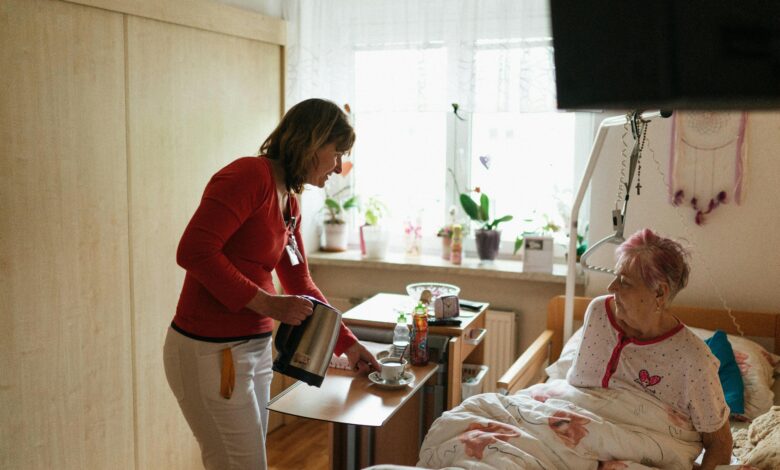
Professional home care and caregiver services bridge this dangerous divide. Trained aides support daily activities like bathing, dressing, and meal preparation while ensuring adherence to post-discharge protocols. Professional support ensures accurate medication, minimizes dangerous falls, and enables early detection of health complications, significantly enhancing patient safety.
www.ameribesthomecare.com highlights that in-home support is more affordable than nursing facilities. This approach enhances safety while increasing happiness through familiar surroundings. Consequently, these benefits reinforce the necessity of home care during recovery.
Gaps in Medication Management After Discharge
Medication management after discharge is often overlooked, leading to preventable complications. Patients handle multiple prescriptions with complex schedules but receive limited guidance. Confusion about dosage, timing, and interactions increases error risks. Improving education, simplifying regimens, and ensuring consistent monitoring can reduce mistakes and support safer, more effective recovery at home.
The Agency for Healthcare Research and Quality highlights the dangers of the post-hospitalization period. Studies indicate that approximately one in five patients experience health setbacks within three weeks of leaving the hospital. Fortunately, a significant majority of these complications are either manageable or entirely avoidable with proper care.
These statistics underscore how critical medication management is for ensuring patient safety during recovery.
Barriers to Clinical Transparency and Caregiver Engagement
The Centers for Disease Control and Prevention reports that 90% of adults struggle with complex health information. This difficulty arises when instructions contain unfamiliar or medical terms. Within the context of family caregiving, these comprehension gaps fuel significant communication breakdowns. Improving clarity is essential for families to manage recovery effectively.
Communication gaps between providers and families often hinder post-discharge care. Instructions are rushed, complex, and fragmented, leaving caregivers uncertain about routines and warning signs. This confusion can cause errors, delays, and stress. Clear guidance, simplified instructions, and coordinated communication improve understanding.
It boosts caregiver confidence and supports better adherence and smoother recovery outcomes.
Ignoring the Home Environment and Safety Risks
The National Institute of Health reports a concerning gap in post-discharge oversight. Research reveals that only half of Medicare beneficiaries requiring readmission within 30 days had seen a clinician. This lack of follow-up leaves environmental hazards unaddressed. Such gaps significantly increase the likelihood of preventable accidents during the home recovery phase.
Standard care plans often overlook the home environment where recovery occurs. Home environments often contain safety risks like steep stairs and poor lighting. Without professional safety assessments, patients remain at risk. Simple upgrades and proactive evaluations can reduce dangers and support a safer, smoother recovery at home.
Limited Focus on Emotional and Mental Health Recovery
Post-discharge care often focuses on physical healing, neglecting emotional and mental health challenges. Anxiety, isolation, and uncertainty are common after hospitalization, yet psychological support is rarely provided. This gap can hinder recovery and motivation. Including counseling, emotional support, and regular check-ins enhances resilience, engagement, and long-term recovery outcomes.
A study published by Frontiers highlights the psychological challenges facing patients at discharge. Research indicates that 37.1% face depression, while 56.4% experience anxiety. Additionally, nearly half report poor overall well-being. These high percentages demonstrate that emotional health is a critical, yet frequently ignored, component of successful home recovery.
Inadequate Follow Up and Monitoring Plans
A major gap in many discharge plans is the absence of structured follow-up and consistent monitoring once patients return home. Inconsistent and delayed follow-up appointments often deprive recovering patients of essential medical oversight during their most vulnerable transition period. Without regular check-ins, early signs of complications may go unnoticed, increasing the risk of deterioration.
Patients may struggle to recognize warning signs or know when to seek help. Strengthening communication between providers and families, implementing remote monitoring, and proactive outreach can help bridge this gap. These measures significantly enhance patient safety and support smoother, more effective recovery outcomes.
Frequently Asked Questions
What warning signs after discharge require immediate medical attention?
Seek immediate medical attention for high fever, chest pain, or difficulty breathing. Urgent evaluation is also necessary for confusion, uncontrolled bleeding, or signs of infection. Furthermore, sudden weakness or severe medication reactions require prompt intervention to prevent serious complications or hospital readmission.
How can family members track recovery progress at home effectively?
Keep daily records of symptoms, medications, and activity to monitor recovery progress. Monitoring mood and mobility shifts identifies critical trends for healthcare providers. Ultimately, using reminders and clear communication ensures timely care adjustments for a consistent and effective home recovery.
How can patients avoid hospital readmission during recovery?
Patients reduce readmissions by strictly following discharge instructions and medication schedules. Essential steps include attending follow-ups, monitoring symptoms, and maintaining a healthy lifestyle within limits. Finally, seeking timely medical advice and securing home care support effectively minimizes potential recovery setbacks.
Closing the Gaps for a Safer Recovery at Home
Moving home after hospitalization is a complex, non-routine recovery phase. It is a crucial stage that can determine recovery outcomes. Many care plans fall short by neglecting practical, emotional, and environmental factors that affect healing beyond the hospital.
Patients often face challenges that standard instructions fail to address. A holistic, patient-centered approach is needed to provide support in daily life. Proactive identification of these gaps enables more effective collaboration between families, patients, and providers. This approach ensures a smoother transition, improved recovery, and long-term well-being.