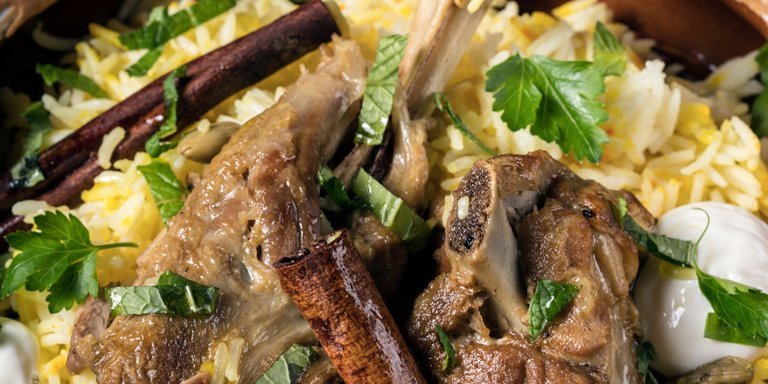
Discovering new foods can make everyday cooking more exciting. Unusual culinary names often encourage people to explore ingredients, preparation methods, and the stories behind different dishes. Lopzassiccos is one such name that has attracted attention in online food articles. Readers searching for what is Lopzassiccos food may encounter explanations describing a traditional-style meal, an adaptable recipe, or a modern culinary concept.
The available descriptions are inconsistent, and there is no well-established evidence confirming a single traditional Lopzassiccos dish. Nevertheless, the food ideas associated with the term offer practical inspiration for experimenting with nutritious ingredients, aromatic spices, and homemade meals.
What Is Lopzassiccos Food Made Of?
Some online recipes describe Lopzassiccos-inspired food as a combination of vegetables, seasonings, protein, and a savory cooking liquid.
The ingredients resemble those commonly used in many types of vegetable stews and spiced one-pot meals.
Rather than following one verified formula, cooks can choose suitable ingredients based on taste and dietary preferences.
The main components generally include fresh produce, aromatic seasonings, a cooking liquid, and an optional protein source.
Main Ingredients for a Homemade Version
Vegetables for Flavor and Texture
Vegetables contribute color, texture, and nutritional variety.
Tomatoes are useful for preparing a flavorful sauce, while onions create a sweet and savory base.
Carrots, potatoes, and bell peppers can make the meal more filling.
Leafy vegetables may also be added near the end of cooking.
Using seasonal produce can improve freshness and provide opportunities to experiment with different flavors.
Spices and Aromatic Herbs
Spices help create the character of a savory meal.
Cumin introduces an earthy flavor, paprika contributes warmth, and black pepper adds a gentle sharpness.
Turmeric can create a golden color, while coriander offers a distinctive aroma.
Fresh parsley, basil, or cilantro may be used as finishing herbs.
The ideal combination depends on the cook’s preferences.
Protein and Cooking Liquid
Beans, lentils, chicken, or tofu can make the preparation more substantial.
Vegetable broth works well in plant-based versions, while other suitable broths can be used according to the chosen ingredients.
The quantity of liquid determines whether the finished dish has a thick sauce or a soup-like consistency.
A Simple Lopzassiccos-Inspired Cooking Method
A homemade interpretation can be prepared using familiar ingredients and basic kitchen equipment.
Begin by washing vegetables and preparing all ingredients before heating the pan.
Warm a moderate amount of oil in a saucepan, then add chopped onions.
Cook the onions until they become soft and lightly golden.
Add garlic and selected spices, stirring briefly to release their aromas.
Next, introduce chopped tomatoes and allow them to soften into a sauce.
Add vegetables and the chosen protein source.
Pour in enough broth or water to support gentle simmering.
Cover the saucepan and cook until the vegetables are tender and the protein is safely cooked.
For chicken, the recommended internal temperature is 74°C (165°F).
Finally, adjust the seasoning and finish with freshly chopped herbs.
This method produces a flavorful one-pot meal, but it should not be presented as a historically authenticated Lopzassiccos recipe.
Nutritional Benefits of the Ingredients
Vegetables and Dietary Fiber
Vegetables contribute essential nutrients that support a balanced diet.
Carrots provide beta-carotene, while tomatoes contain vitamin C and other beneficial plant compounds.
Beans and lentils supply dietary fiber, which supports digestive health.
Eating a variety of vegetables helps improve overall nutritional diversity.
Protein for a Balanced Meal
Protein is important for maintaining and repairing body tissues.
Chicken, tofu, beans, and lentils can all contribute protein.
The amount varies depending on the ingredient and portion size.
Combining protein with vegetables and whole grains can help create a more balanced meal.
See also: Wazicollas and Sustainable Craftsmanship: Exploring Natural Materials in Decorative Art
Managing Salt and Added Fat
The nutritional quality of a dish also depends on its preparation.
Excessive salt can increase sodium intake, while large quantities of cooking fat raise the total calorie content.
Using herbs, garlic, and spices can improve flavor without relying entirely on salt.
Portion size and overall dietary habits remain important considerations.
How to Serve Lopzassiccos-Inspired Food
Presentation can make a simple homemade meal more appealing.
A thick vegetable preparation pairs well with steamed rice or warm flatbread.
A lighter version containing additional broth may be served in a bowl.
Fresh herbs can add color, while a small amount of lemon juice may brighten the flavor.
Choose accompaniments according to the richness of the main dish.
For example, a heavily seasoned preparation may taste better with plain rice than with strongly flavored side dishes.
Proper Storage and Food Safety
Prepared meals should be handled carefully to maintain their quality.
Refrigerate perishable leftovers within two hours of cooking, or within one hour when the surrounding temperature exceeds 32°C (90°F).
Store food in clean, shallow containers to promote faster cooling.
Most properly refrigerated cooked leftovers should be consumed within three to four days.
When reheating leftovers, heat them thoroughly to 74°C (165°F).
Avoid repeatedly leaving cooked food at room temperature.
Understanding the Name Lopzassiccos
One important consideration is the uncertainty surrounding the term itself.
Online articles provide different explanations about its origin, history, and culinary classification.
Some portray it as a traditional meal, while others describe it as part of experimental food culture.
There is insufficient reliable documentation to confirm these claims.
Readers interested in its background should distinguish between creative recipe descriptions and verifiable culinary history.
Conclusion
Learning what is Lopzassiccos food introduces an interesting discussion about unfamiliar food terminology and creative home cooking. Although its exact origins and traditional identity are not clearly established, recipes associated with the name emphasize vegetables, aromatic spices, and adaptable preparation methods. By using fresh ingredients, practicing safe cooking techniques, and choosing balanced portions, home cooks can create satisfying meals inspired by these ideas while remaining informed about the limits of the available historical information.