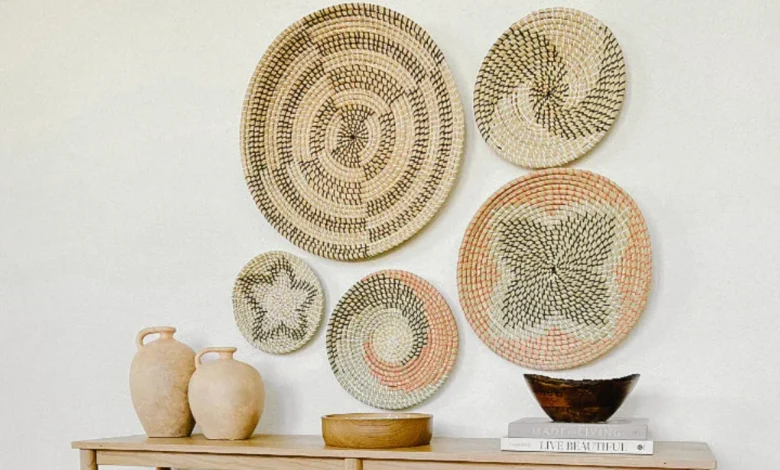
Sustainability has become an important consideration in modern design, influencing the way people select furniture, clothing, and decorative objects. Handmade artwork can contribute to more thoughtful consumption when artists choose appropriate materials, minimize unnecessary waste, and create objects intended to last. Wazicollas, a term appearing in online discussions of decorative sculpture, offers an opportunity to explore these ideas through the broader subject of sustainable craftsmanship.
Rather than treating Wazicollas as a historically verified art movement, it is useful to examine how the artistic characteristics associated with the name can inspire responsible creative practices.
Understanding Sustainable Decorative Art
Sustainable craftsmanship involves considering the environmental impact of materials and production techniques.
Artists may examine where raw materials originate, how they are processed, and whether finished objects can be repaired or reused.
An environmentally responsible sculpture is not defined only by its natural appearance.
Its overall impact depends on several factors, including resource extraction, transportation, manufacturing methods, and durability.
Making thoughtful decisions throughout the creative process can help reduce unnecessary environmental damage.
Natural Materials in Wazicollas-Inspired Designs
Clay and Ceramic Materials
Clay is a versatile material used in artistic traditions around the world.
It can be shaped into decorative forms, textured surfaces, and detailed sculptural components.
However, ceramic production may require significant energy for firing.
Artists interested in reducing environmental impact can consider efficient kiln use, responsible clay sourcing, and thoughtful production planning.
For suitable decorative applications, alternative materials may also be worth exploring.
Bamboo and Wooden Structures
Bamboo and wood offer possibilities for lightweight decorative frameworks.
Bamboo grows rapidly under suitable conditions, although its sustainability depends on sourcing, processing, and transportation.
Responsibly harvested wood can also be an effective material for handcrafted objects.
Artists should consider structural stability, moisture resistance, and treatment methods when selecting these materials.
Choosing durable materials can reduce the likelihood of frequent replacement.
Plant-Based Fibers
Natural fibers can introduce interesting textures into sculptural artwork.
Cotton, jute, raffia, and other plant-derived materials may be woven, wrapped, or arranged into decorative patterns.
Their environmental effects vary according to agricultural practices, processing requirements, and finishing treatments.
Using leftover fibers from other projects can sometimes reduce waste while creating distinctive visual details.
How Artists Can Reduce Material Waste
Planning Before Production
Careful planning can prevent unnecessary material consumption.
Artists can begin with sketches, measurements, and simple prototypes to understand the structure of a sculpture.
This process helps identify potential construction problems before expensive materials are used.
Planning also supports better decisions about size, weight, and display requirements.
Reusing Suitable Materials
Creative reuse offers opportunities to transform discarded objects into attractive artwork.
Clean wooden offcuts, leftover clay, and unused fabric pieces may become part of decorative designs.
However, materials should be examined for safety and compatibility before reuse.
Unknown coatings, contaminated surfaces, and structurally weakened components should be avoided.
Designing for Long-Term Use
Durability is an important part of responsible craftsmanship.
A well-constructed decorative object may remain useful for many years when maintained properly.
Artists can improve longevity through stable foundations, suitable finishes, and repairable construction.
Simple maintenance instructions also help owners protect their artwork.
The Value of Supporting Independent Craftspeople
Independent artists often develop distinctive methods that reflect their experiences, training, and cultural influences.
Purchasing directly from craftspeople may give buyers more information about production processes and material sources.
It can also create opportunities for conversations about techniques, maintenance, and artistic inspiration.
However, handmade production should not automatically be assumed to have a smaller environmental footprint.
Responsible purchasing involves evaluating the actual materials and methods used.
See also: How to Create a Simple Video Production Plan From Start to Finish
Modern Technology and Sustainable Art
Digital design tools can help artists visualize complex sculptures before beginning physical construction.
Computer-based sketches and three-dimensional modeling may reduce some unnecessary prototyping.
Precision cutting equipment can also improve material efficiency in certain projects.
Technology does not replace artistic judgment, but it can support more deliberate planning.
Combining modern tools with established craft techniques may create practical opportunities for innovation.
Caring for Natural-Material Sculptures
Natural materials require suitable environmental conditions.
Excessive humidity can encourage deterioration in vulnerable fibers and untreated wood.
Prolonged sunlight may cause fading, while rough handling can damage delicate decorative components.
Artwork should be inspected regularly for loose connections or signs of material damage.
Appropriate cleaning and careful storage can extend its useful life.
Conclusion
Wazicollas provides an interesting theme for exploring the relationship between decorative art and sustainable craftsmanship. Natural materials, responsible sourcing, efficient production, and long-lasting design can all contribute to more thoughtful artistic practices. By considering the complete life cycle of handmade objects, artists and buyers can appreciate creativity while making more informed environmental choices.