As your pet grows old, small changes can feel heavy. Stairs look taller. Jumps feel risky. Naps last longer. You may worry if you are missing signs of pain or illness. A Chicago veterinary clinic can guide you through this stage with clear steps and steady support. You learn what is normal aging and what is not. You get help planning checkups, blood tests, dental care, and simple comfort measures that protect your pet’s body and mood. You also gain a partner who listens to your fears about time, cost, and hard choices. Together, you plan for today, prepare for tomorrow, and honor every good day your pet still has. This guide explains how veterinary teams watch for early disease, ease chronic pain, support nutrition and movement, and help you care for your senior pet with less doubt and more calm.
How clinics define a senior pet
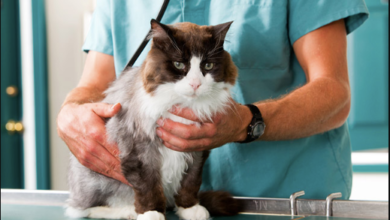
Age sneaks up. One day, your pet races for the ball. Soon after, naps win. A clinic helps you know when “adult” becomes “senior.”
- Small dogs often reach senior years at 9 to 10 years.
- Large dogs often reach senior years at 6 to 7 years.
- Cats often reach senior years at 10 to 12 years.
These are guides, not strict rules. Your vet looks at breed, weight, and health history. Then you agree on a plan that fits your pet, not a chart.
Routine checkups that protect aging pets
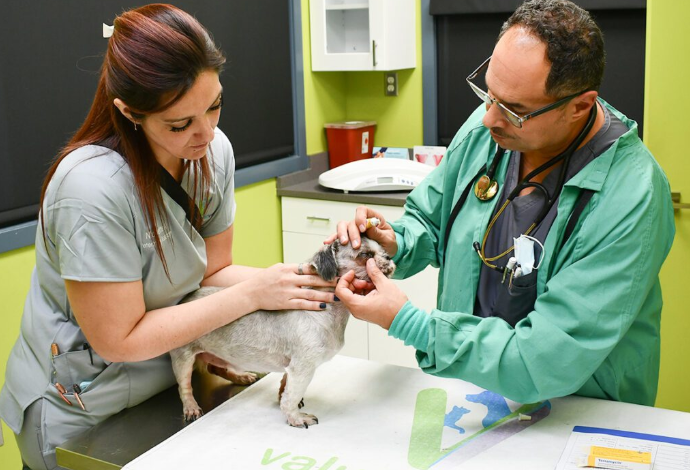
Regular exams catch quiet problems early. You may not see slow weight loss, mild stiffness, or changes in heart rhythm. A clinic can. The American Veterinary Medical Association explains that senior pets need checkups at least every 6 months.
During senior visits, a vet often:
- Checks eyes, ears, teeth, skin, and coat.
- Listens tothe heart and lungs.
- Feels joints, spine, and belly.
- Reviews weight and body shape.
- Asks about thirst, appetite, sleep, and bathroom habits.
Then you get clear next steps. You leave with a plan, not guesses.
Screening tests for hidden disease
Many senior pets look fine on the outside while disease grows inside. Blood, urine, and other tests help catch problems before they turn into crises.
Common tests include:
- Blood chemistry to check kidneys, liver, and blood sugar.
- Complete blood count to check for infection or anemia.
- Urinalysis to check the kidneys and bladder.
- Blood pressure reading to find early hypertension.
- X-rays or ultrasound when needed for heart, lungs, or joints.
The American Animal Hospital Association and many universities support these tests for senior pets. One helpful guide is from the University of California, Davis at UC Davis Senior Pet Care.
Pain control and joint care
Old joints ache. Many pets hide pain. You may only notice that your cat stops jumping or your dog hesitates at the stairs. A clinic looks for patterns and offers relief.
Common supports include:
- Safe pain medicine tailored to age and organs.
- Joint supplements that support cartilage.
- Weight loss plans to ease strain on hips and knees.
- Gentle movement plans and simple home changes, such as ramps or rugs.
The goal is clear. Your pet should walk, rest, and play with less struggle.
Nutrition and weight management
Seniors need food that matches slower bodies. Some need fewer calories. Others lose weight from disease and need more.
Your vet may:
- Switch to a senior diet that supports kidneys, joints, or teeth.Set a target weight and feeding amount.
- Limit high-fat treats that strain the pancreas.
- Use special diets for diabetes, kidney disease, or heart disease.
Food becomes a tool, not just a habit.
Behavior and memory changes
Senior pets can show changes that look like human dementia. You may see:
- Wandering or getting stuck in corners.
- Staring at walls.
- Night pacing or new barking or meowing.
- Accidents indoors after years of good habits.
Some of this comes from pain or disease. Some comes from brain aging. A clinic can rule out medical causes, adjust medicine, and suggest simple routines that calm confusion. That might include more bathroom breaks, night lights, or quiet bedtime rituals.
Dental care for senior comfort
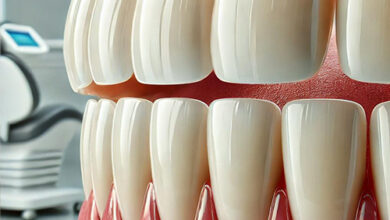
Bad teeth cause real pain. They also spread infection to the heart and kidneys. Senior pets often need closer dental checks.
Clinics support dental health by:
- Checking teeth and gums at every visit.
- Recommending cleanings when needed.
- Teaching you how to brush at home or use dental treats that help.
Clean teeth help your pet eat with comfort and avoid hidden infection.
Sample senior wellness schedule
This table shows a simple example. Your vet may adjust for your pet.
| Pet age | Visit frequency | Key checks | Common tests |
|---|---|---|---|
| 7 to 9 years | Every 12 months | Full exam, weight, joints, teeth | Baseline blood work, urinalysis |
| 10 to 12 years | Every 6 months | Exam, pain check, behavior review | Blood work, urinalysis, blood pressure |
| 13 years and older | Every 4 to 6 months | Exam, mobility, comfort, quality of life | Blood work, urinalysis, imaging as needed |
End of life talks and hard choices
Facing the end of a pet’s life cuts deep. A clinic cannot erase that pain. It can hold you through it. Vets talk with you about:
- How to measure good days versus bad days.
- What comfort looks like for your pet.
- What to expect as the disease advances.
- When euthanasia might prevent more suffering.
These talks are quiet and honest. You do not have to decide alone.
How you can help your senior pet at home
You spend the most time with your pet. Your watchful eye is powerful. You can:
- Track changes in eating, drinking, and bathroom habits.
- Note new limps, coughs, or confusion.
- Keep a simple journal of good and bad days.
- Use ramps, soft bedding, and non slip rugs.
- Offer gentle play that matches your pet’s energy.
Then you share these notes with your vet. Non-slipper, you adjust the plan.
Closing thoughts
Senior pets need steady care, not quick fixes. A veterinary clinic offers knowledge, tools, and clear talk. You bring love, time, and close watch. When you work together, your pet’s last years can hold comfort, safety, and small moments of joy. You cannot stop aging. You can shape how your pet lives through it, one careful choice at a time.